
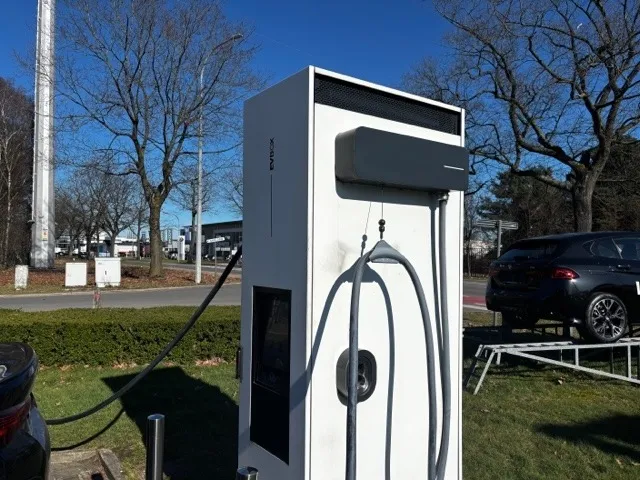
 Turnhout
: BeLoaded took over an underperforming battery and refocused it on self-consumption and lower peaks
- 100%
- Previous connection to the imbalance market
A battery or charging project in Belgium comes with permits, inspections, grid studies and recycling rules. Our project managers handle the paperwork and talk to the authorities and grid operators for you.
In short
BeLoaded's PMO and compliance service takes care of the administrative and regulatory side of battery, solar and EV-charging projects in Belgium. We coordinate permits and fire safety questions with local and environmental authorities, manage grid studies with the grid operator, organise the electrical inspection and handle the battery's recycling at the end of its life.
This is what typically comes up for a company battery in Flanders. Every site is different, and Brussels and Wallonia have their own permit rules. We check what applies to your project.
| Step | What it means | Who decides |
|---|---|---|
| Environmental permit | In Flanders, a stationary battery system is not on the VLAREM classification list, so it usually needs no environmental permit of its own. General environmental conditions still apply, and building work such as a container base can need a permit. | Municipality or province |
| Fire safety | When a permit is needed, the authority can ask the local fire service for advice. We take fire safety into account in where and how the battery is placed, and answer the fire service's questions. | Local fire service |
| Electrical inspection (AREI/RGIE) | A new electrical installation, or an important change to one, must be inspected by an accredited inspection body before it is used. | Accredited inspection body |
| Grid connection rules (Synergrid C10/11) | Batteries and solar that work in parallel with the grid must meet the connection rules of the grid operator. Above 30 kVA, a central grid disconnection relay is required. | Grid operator, such as Fluvius |
| Telecontrol | For large installations the grid operator wants to steer power remotely. Fluvius requires telecontrol from 1 MVA, and in congested areas sometimes for smaller sites. | Grid operator |
| End of life | Batteries must be collected and recycled under Belgian rules and the EU Battery Regulation (EU) 2023/1542. | Battery supplier |
BeLoaded provides dedicated PMO support for all administrative and regulatory steps. PMO stands for project management office: one project manager who keeps all paperwork, deadlines and contacts on track.
We coordinate with environmental and local authorities so your project complies with permits, approvals and reporting obligations. Our structured approach keeps your project on schedule, avoids delays and makes sure all documents are complete and correct.
With more than ten years of experience in the Belgian energy market, BeLoaded supports companies in their move to a fully electric future. Read our guide on battery permits and fire safety in Belgium for more background.
In many places in Belgium the electricity grid is already full. This is called grid congestion: the grid cannot take more power at certain times. Before you add a battery, solar panels or many chargers, the grid operator checks whether your connection can handle it. That check is a grid study.
We manage the grid study for you. Based on the energy strategy and the solution we propose, we coordinate with the relevant network operators to confirm that the project is technically feasible. We make sure your installation:
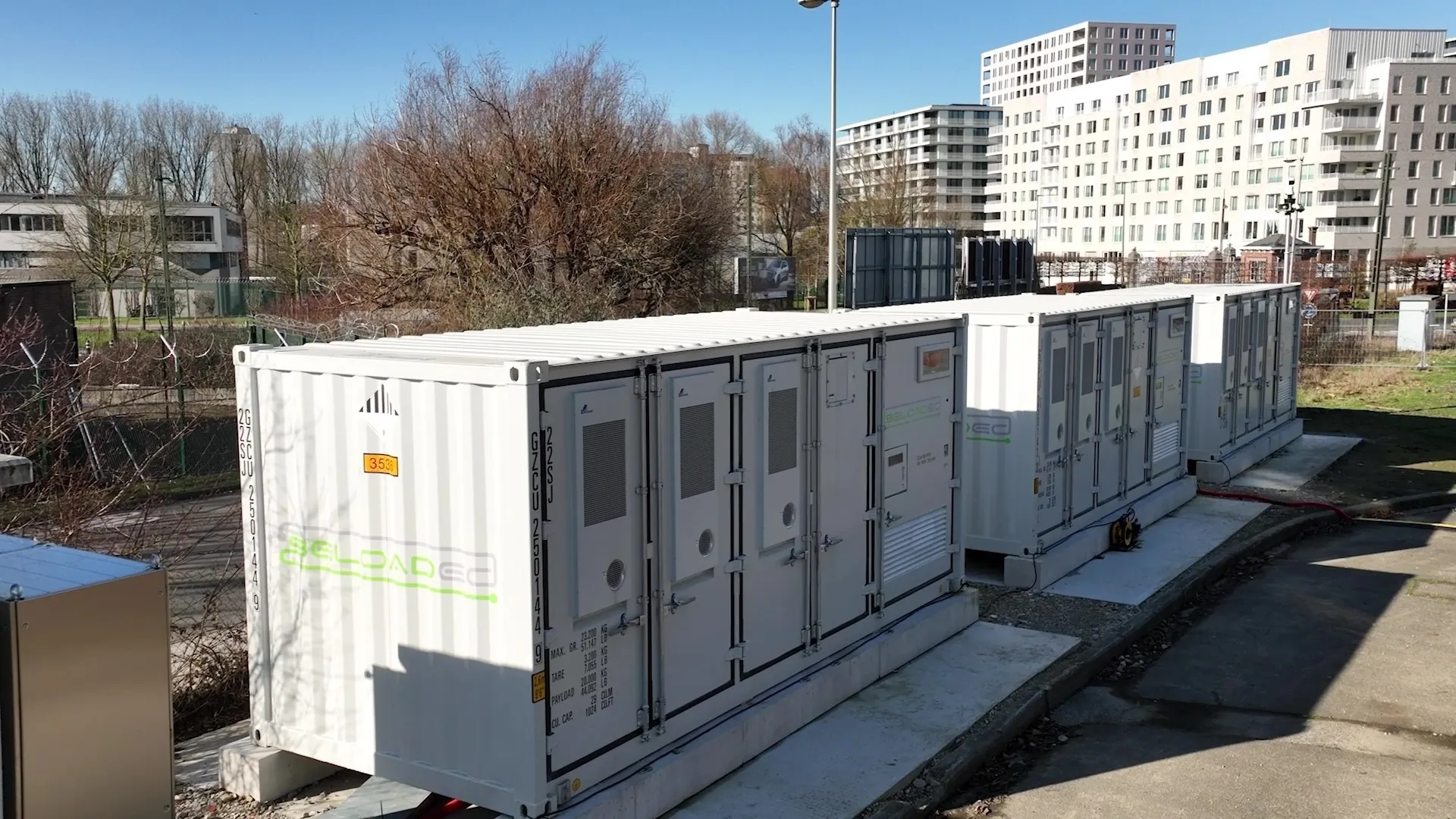
A battery can even help when the grid is full. In the port of Antwerp, a 500 kW / 1 MWh battery raised the available capacity of a logistics site from 90 kW to almost 600 kW.
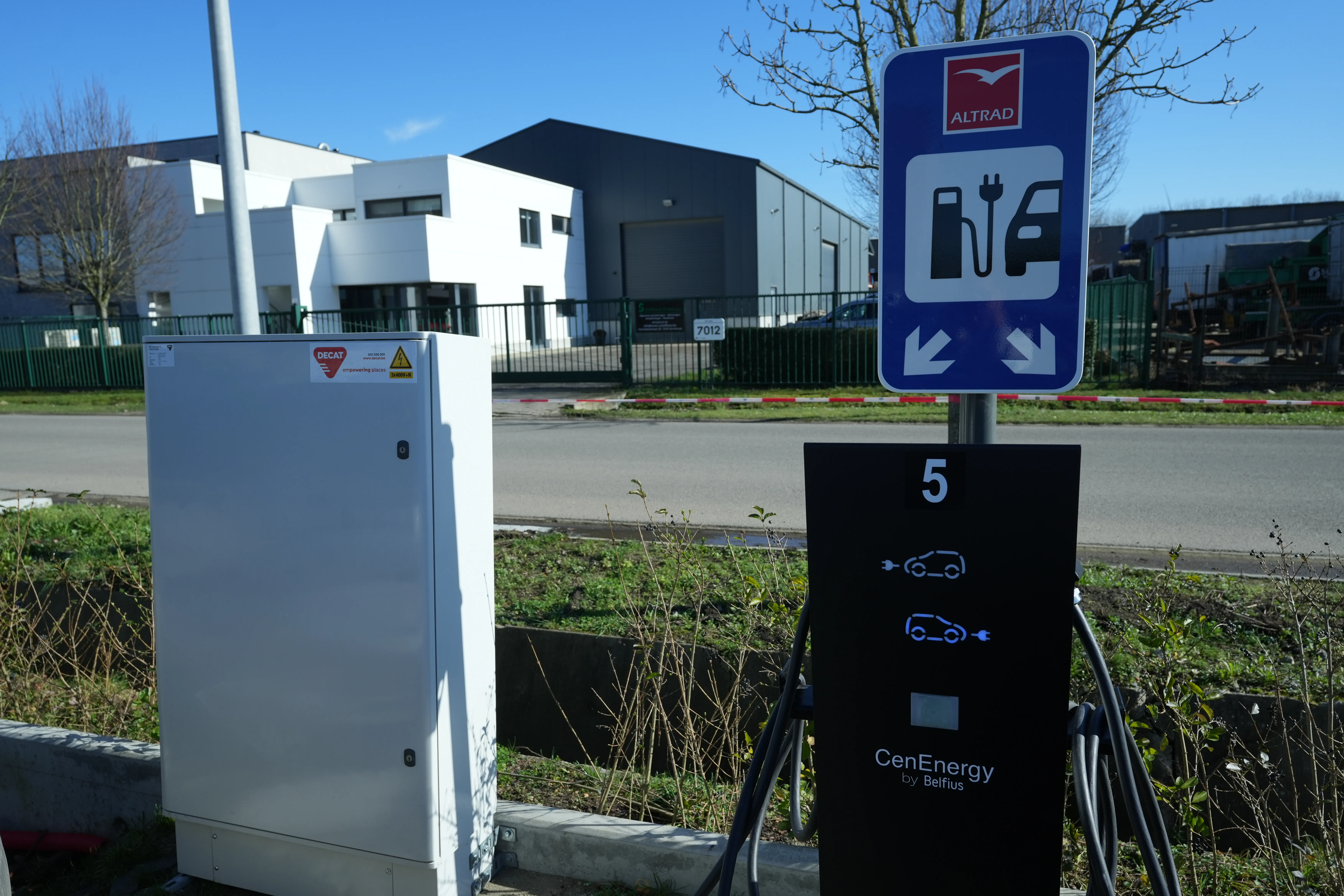
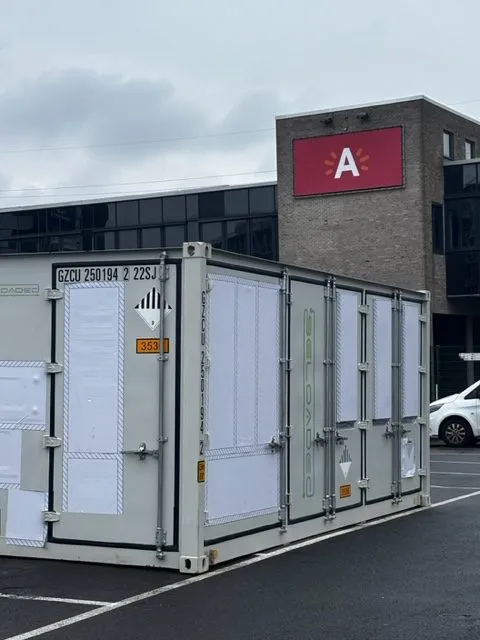
Yes. Sometimes a battery is already on site, but the paperwork or the grid connection is not complete. In Turnhout, BeLoaded took over responsibility for an existing installation. We regularised the battery with the fire service and arranged the grid operator's telecontrol, and switched the energy management system to a new strategy.
Sustainability is part of our mission. That is why we manage your battery systems in line with Belgian and European rules for disposal and recycling, including the EU Battery Regulation.
As your supplier, we oversee the entire end-of-life process and aim to recycle as much of the battery as possible and recover its materials. This takes the paperwork off your hands and ensures the batteries are processed responsibly and by the rules.
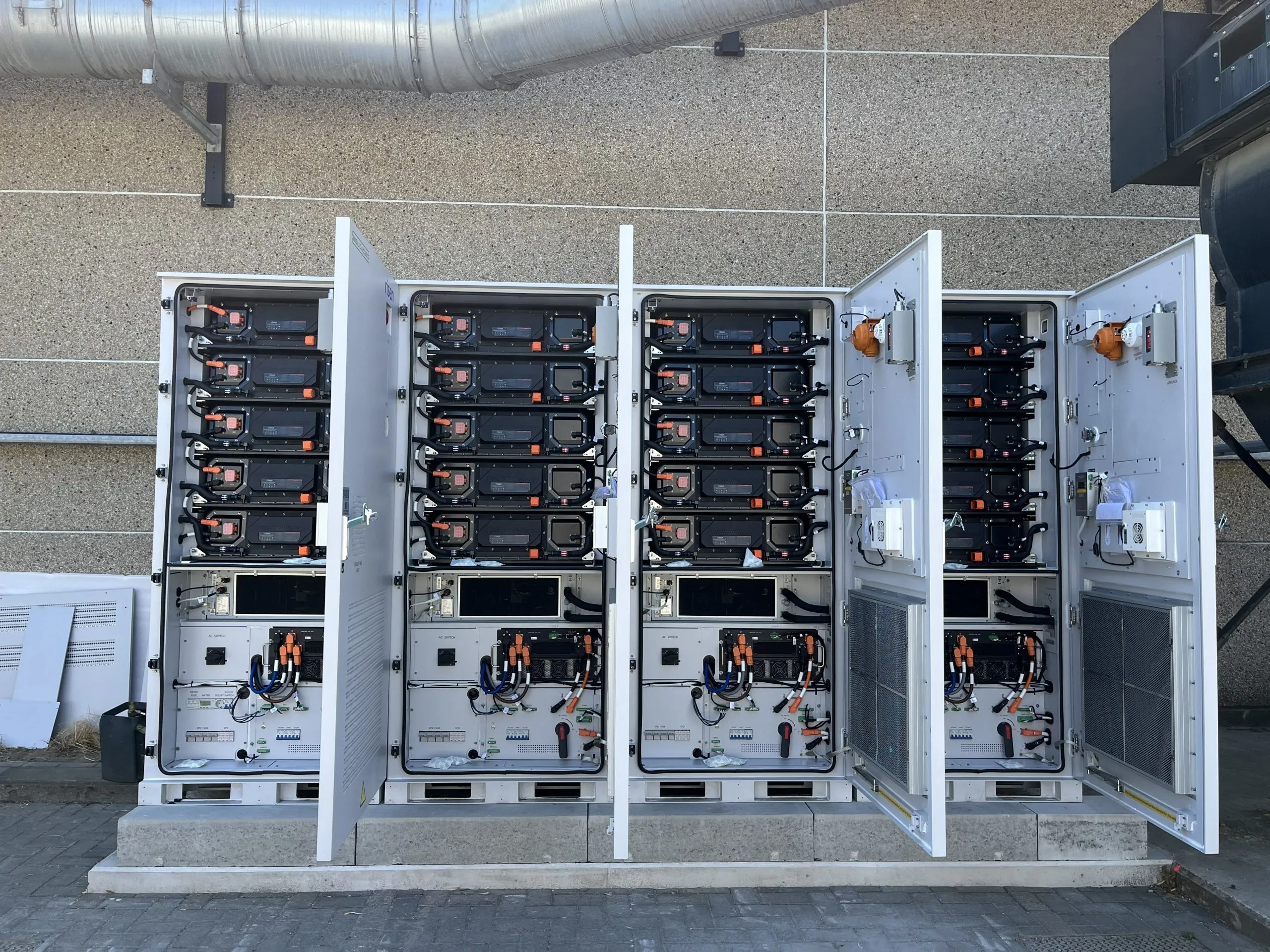 Turnhout
 Antwerp
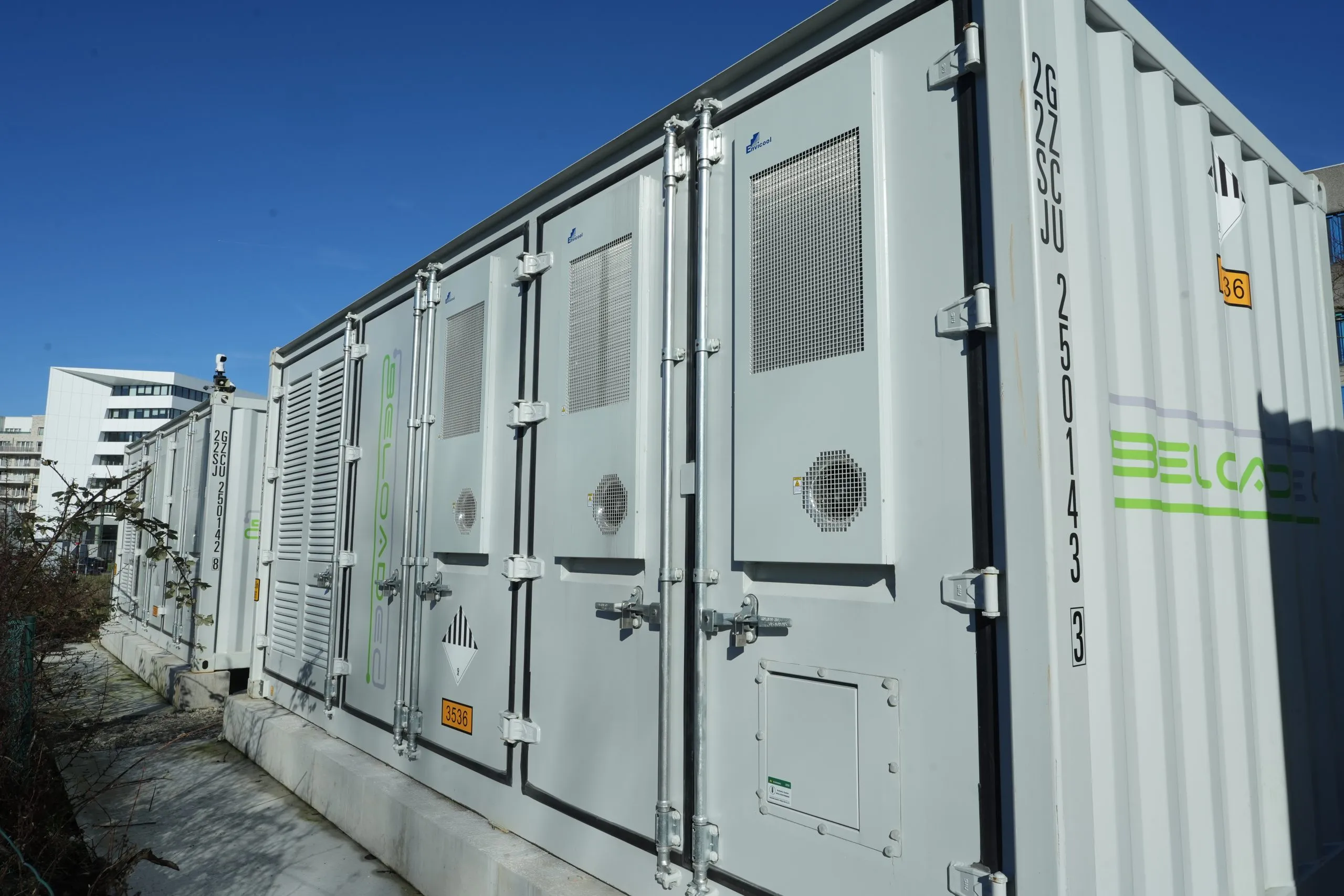
 Anderlecht
Usually not for the battery itself. Since the VLAREM changes known as the VLAREM-trein 2019, stationary battery systems are no longer on the Flemish classification list. General environmental conditions still apply, and related building work, such as a container base, can need a permit. Brussels and Wallonia have their own rules. We check what applies to your site before the project starts.
AREI (in Dutch) or RGIE (in French) is the Belgian regulation for electrical installations. A new installation, or an important change such as adding a battery, must be inspected by an accredited inspection body before it is used. Without a positive inspection report, the installation may not be put into service. We coordinate the inspection with your electrical installer.
Batteries that work in parallel with the grid must follow the Synergrid C10/11 connection rules, which apply across Belgium. Above 30 kVA, a central grid disconnection relay is required. Larger installations need telecontrol so the grid operator can steer them remotely: Fluvius requires it from 1 MVA, and in congested areas sometimes for smaller sites. We handle these requirements for you.
It can. When a permit is needed, the authority can ask the local fire service for advice on the battery's location and safety. We take fire safety into account in the design and answer the fire service's questions. In Turnhout, we regularised an existing battery with the fire service and arranged the grid operator's telecontrol after taking over the installation.
Because the grid is full in many parts of Belgium. Before you connect a battery, solar panels or many chargers, the grid operator checks whether your connection and the local grid can handle it. BeLoaded manages that study: we coordinate with the network operator, confirm the project is technically feasible and make sure it meets local grid rules and environmental obligations.
As your supplier, BeLoaded oversees the entire end-of-life process. We manage collection and recycling in line with Belgian rules and the EU Battery Regulation (EU) 2023/1542, and aim to recover as much material as possible. That keeps the administration away from you and makes sure your battery is processed responsibly and legally.
A company battery in Belgium needs an electrical inspection under the AREI, notification to and approval from the grid operator, and a fire safety approach agreed with the fire service and your insurer. The environmental rules differ by region: in Flanders batteries are not a VLAREM-classified activity, while Brussels and Wallonia classify stationary batteries above roughly 10 kWh. In Flanders, sites with 250 kVA or more of storage must also accept telecontrol by the grid operator.
A business battery in Belgium is worth it when it can earn from several sources at once: lowering your capacity tariff, storing your own solar power, buying cheap power for expensive hours and offering flexibility to the grid. With only one of these, the business case is often weak. Measure your profile first, simulate second, invest third.
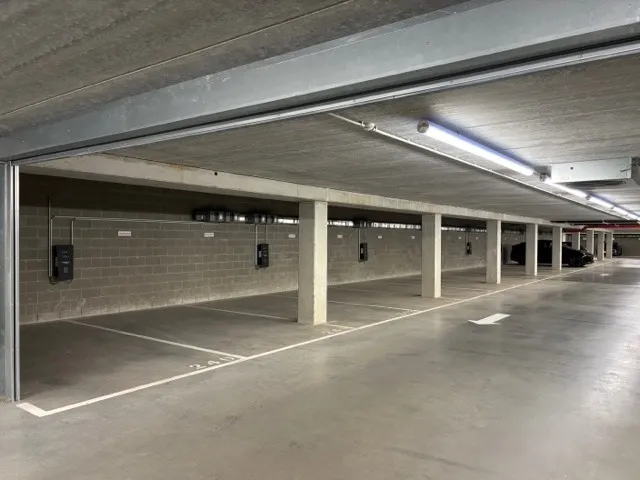
Most Belgian companies can add many more EV charge points without a heavier grid connection. Dynamic load balancing shares the power that is left on your connection across all chargers in real time, and a battery can add extra power when the grid cannot. BeLoaded runs 112 balanced chargers in one Brussels car park and raised a logistics site from 90 kW to almost 600 kW of available power.
Tell us about your site. We'll list the permits, inspections and grid steps that apply, and take them off your hands.