
Nowcurrent quarter-hour
— €/MWh
The Belgian day-ahead price for every quarter hour of today, and of tomorrow once it is published. Below: what it means for your company.
In short
The Belgian day-ahead price is the wholesale price of electricity for each quarter hour of the next day. It is set every day in an auction on the EPEX SPOT day-ahead market, which closes at 12:00 Belgian time. The prices appear in the early afternoon. Since 1 October 2025 there are 96 prices per day, one per 15 minutes, in euro per megawatt hour (€/MWh).
EPEX SPOT · Belgium · live
24 hours back and 24 hours ahead. Refreshes every 15 minutes.
Price per quarter hour in €/MWh. This is the wholesale energy price only: grid fees, taxes, levies and VAT are not included.
Nowcurrent quarter-hour
— €/MWh
Next quarter-hour
— €/MWh
Lowest (next 24 h)cheapest moment
— €/MWh
Highest (next 24 h)most expensive moment
— €/MWh
€/MWh · 15-min resolution · local time
Day-ahead prices, Belgian bidding zone. Data: Energy-Charts (Fraunhofer ISE), CC BY 4.0.
Live prices are temporarily unavailable.
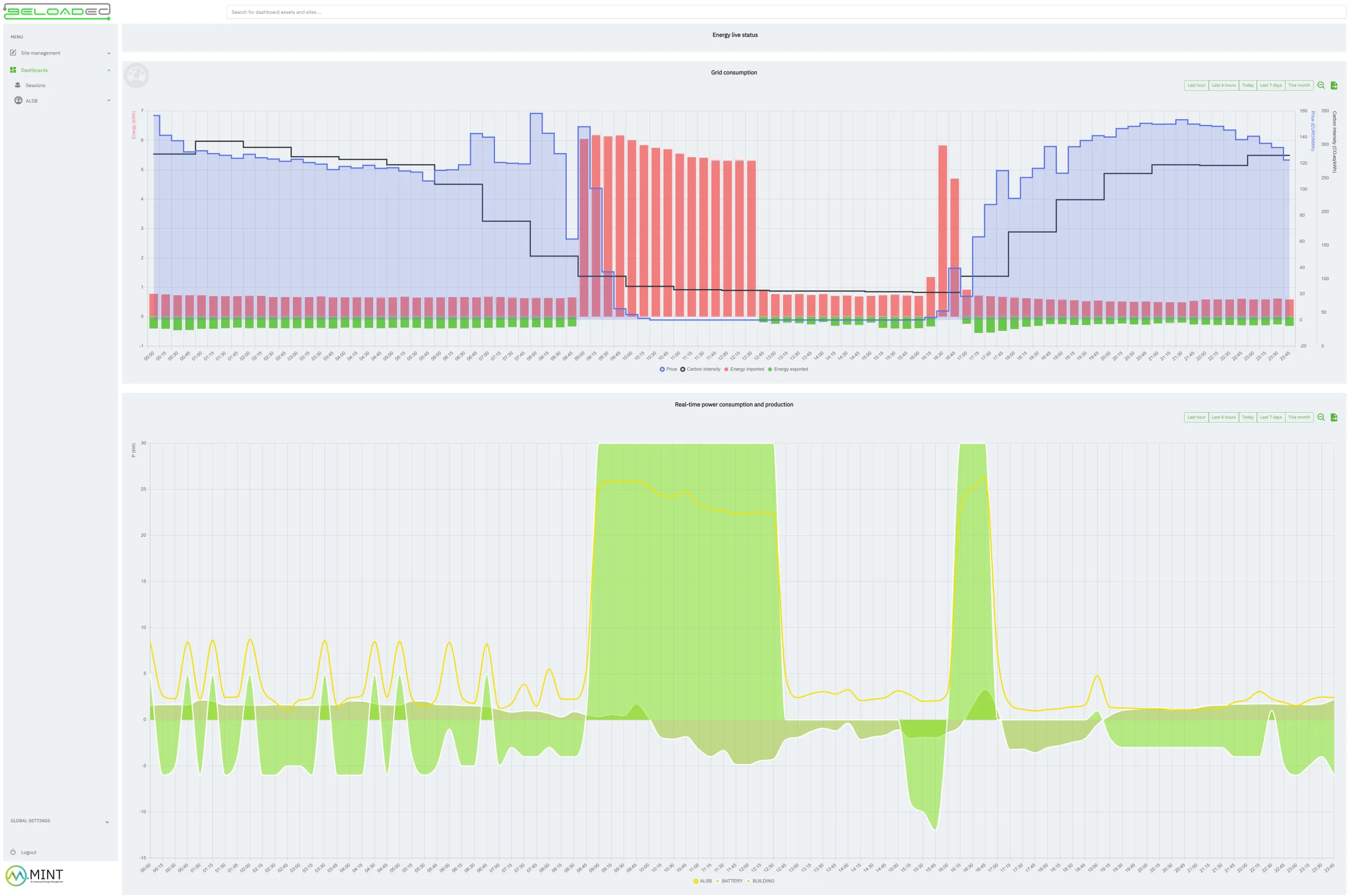
The day-ahead market sets a new price for every quarter hour. The gap between cheap and expensive hours can be large. Companies that can shift part of their consumption can use that gap.
With a dynamic energy contract, the energy part of your price follows the day-ahead price per quarter hour. You pay less when you use power at cheap moments and more at expensive moments.
Company cars often stand still for hours. An energy management system can charge them when prices are low, while load balancing keeps all chargers within your grid connection.
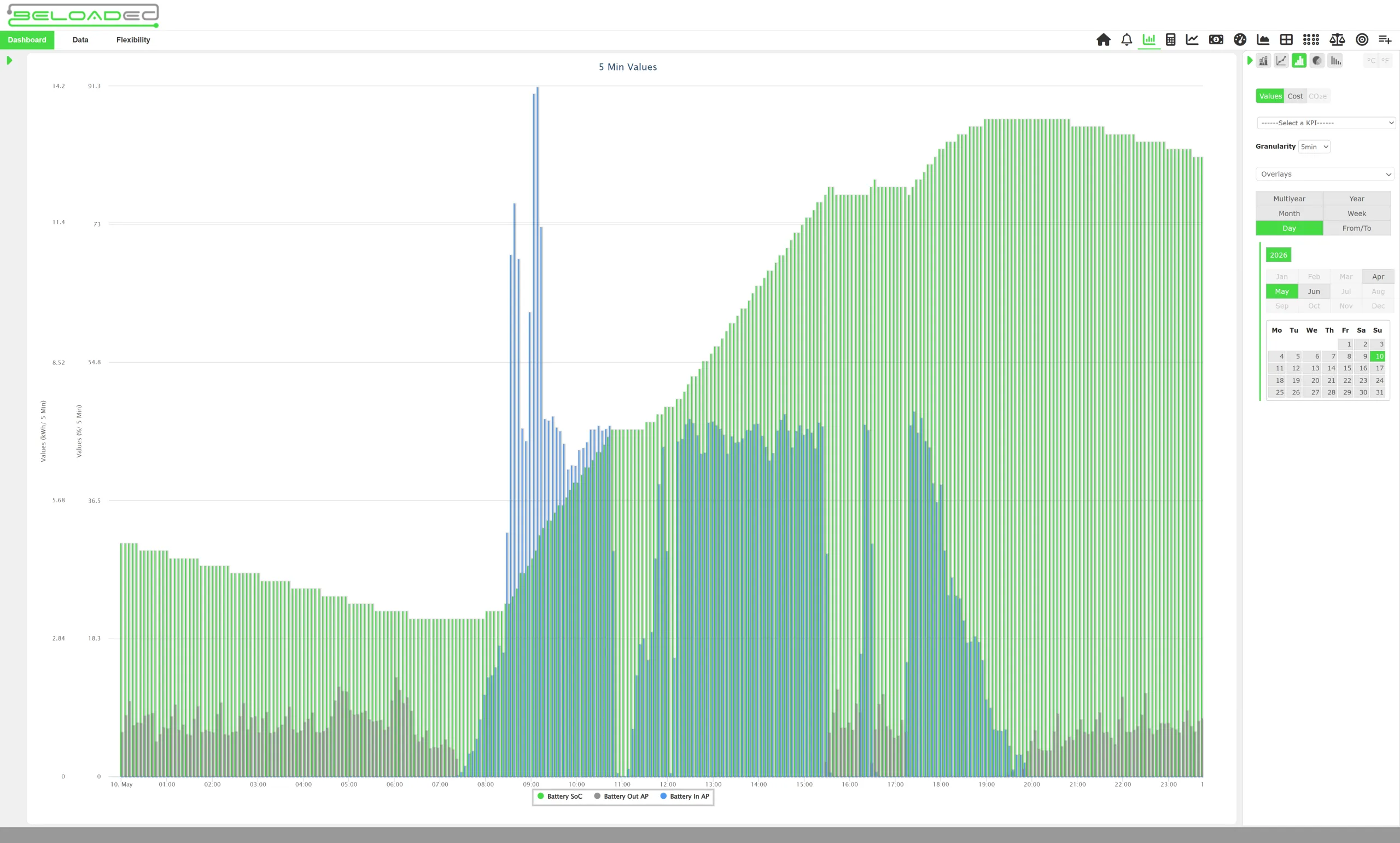
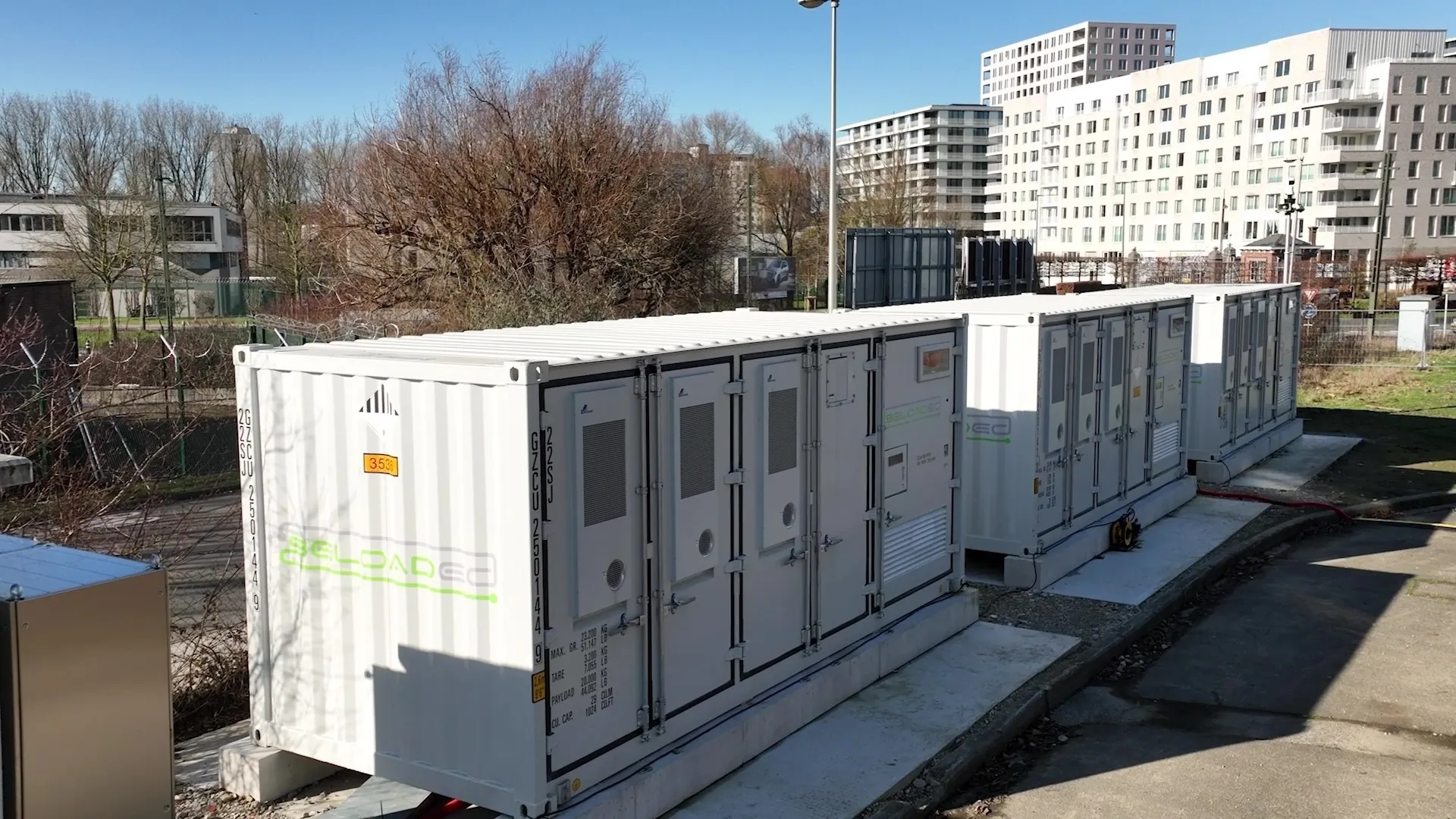
A company battery charges when power is cheap and discharges when it is expensive. That is energy arbitrage. In Puurs, the battery charges at the lowest possible cost to make EV charging more profitable.
At negative prices you are paid to take power, but injecting solar power can cost you money. PV curtailment limits your solar injection at those moments.
It is the wholesale price of electricity for each quarter hour of the next day. Buyers and sellers place their bids in a daily auction on power exchanges such as EPEX SPOT. The European markets are coupled, so the result takes cross-border capacity into account. Belgium gets its own price per quarter hour, in €/MWh.
The day-ahead auction closes every day at 12:00 Belgian time. The results for the 96 quarter hours of the next day are usually published around 13:00. From that moment you can plan tomorrow's consumption, EV charging or battery use. On this page, tomorrow's prices appear as soon as they are available.
Prices drop below zero when a lot of solar and wind power meets low demand, for example on sunny weekend afternoons in spring. Some producers keep running because stopping costs more or because they still receive support. Buyers are then paid to use power. For a company with solar panels, injecting at those moments can cost money. Read more in negative electricity prices explained.
No. The day-ahead price is only the wholesale energy part. Your bill adds the supplier margin and fees, grid fees for distribution and transmission (in Flanders including the capacity tariff), federal and regional taxes and levies, and VAT where it applies. To convert: €/MWh divided by 1,000 gives €/kWh, so €80/MWh is 8 cents per kWh.
Since 1 October 2025 the European day-ahead market works in 15-minute periods instead of hours. Grids are balanced and meters are read per quarter hour, so the price now follows the same rhythm. The result is 96 prices per day. Prices can now differ within one hour, which rewards companies that can react quickly with a battery or smart charging.
Three steps help. Choose a dynamic energy contract so that cheap hours show up on your bill. Move flexible consumption, such as EV charging, to those hours with an energy management system. Add a company battery to store cheap power for expensive moments. Our guide on dynamic contracts for businesses explains when it pays off.
With a dynamic energy contract, your company pays a price that follows the Belgian day-ahead market, which sets a new price for every quarter-hour since 1 October 2025. It pays off when you can move consumption to cheap hours, and it can cost more if you mostly use power in the expensive evening. A battery and an energy management system make that shifting automatic.
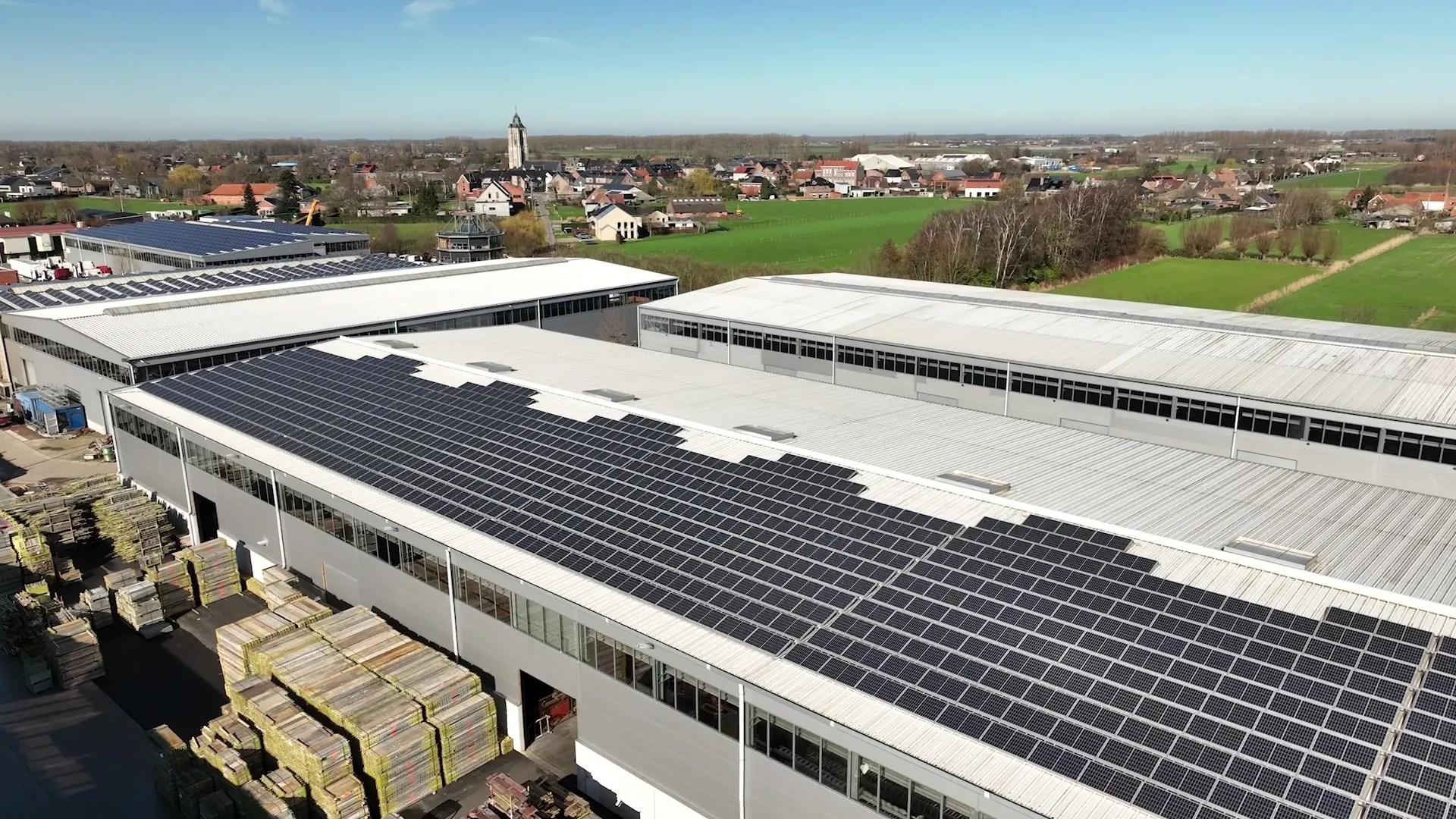
Negative electricity prices are quarter-hours on the Belgian day-ahead market when there is so much power, mostly from solar, that producers pay to inject. Belgium counted more than 520 negative hours in 2025, according to the regulator CREG. Companies can limit the cost by curtailing solar injection, and turn it into value by shifting consumption or storing energy in a battery.
Answer four questions and see in about a minute what fits your site: smart charging, a battery or an energy management system.