Modular and scalable
Suits everything from homes to industrial sites.
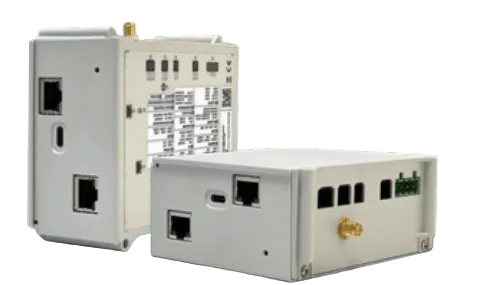
The EVC100 by Gadgeon is the controller inside a charge point. It runs one or two connectors, talks to your back office through OCPP 1.6J and shares power between charge points by itself.
In short
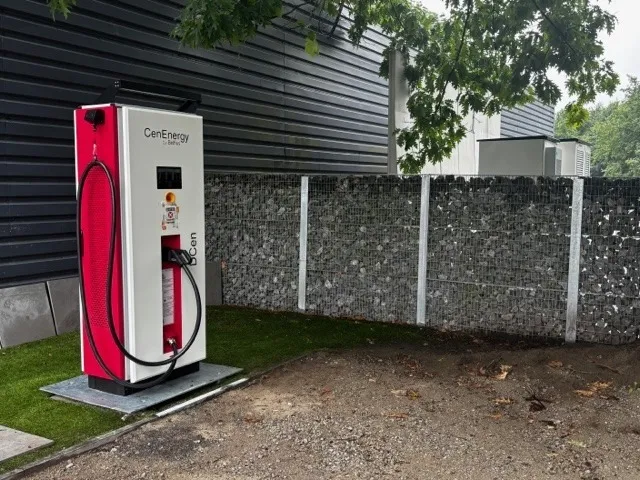
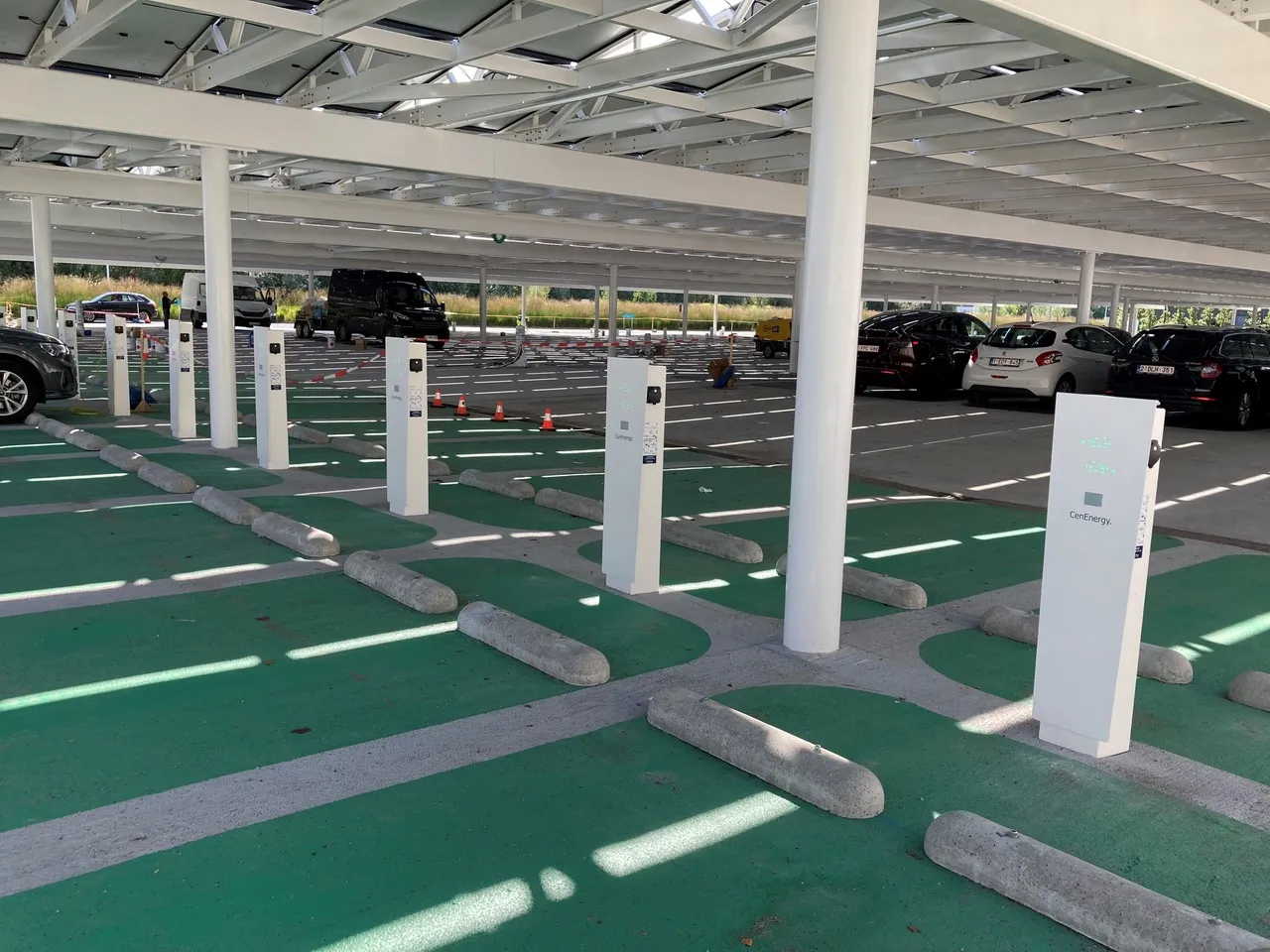
The EVC100 is a charge controller made by Gadgeon: the module that steers charging inside an EV charge point or wallbox. It supports one or two connectors from 2 to 22 kW, connects to charge point management software through OCPP 1.6J and has dynamic load balancing built in. In Belgium, CenEnergy/Belfius, one of the biggest EV charging providers in the country, uses the EVC100.
Not sure which load balancing setup you need? Read about load balancing for charge points.
Gadgeon makes charging electronics with a focus on sustainability. The EVC100 puts the main functions of a smart charge point into one compact controller.
Suits everything from homes to industrial sites.

Supports charge points (EVSE) from 2 kW to 22 kW.

Works with charge point management systems (CSMS) through OCPP 1.6J.
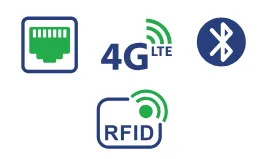
Supports Bluetooth Low Energy (BLE), Ethernet, 4G and RFID.
Safe and cost-efficient use of the power you have.

Connects to power meters, home automation and PV inverters through Modbus.
Single or dual RFID authentication for secure access control.
OCPP 1.6J for standard communication with your back office.
Master/slave load balancing over CANbus to share power between charge points.
Built-in emergency opener for the actuator that locks and releases the cable, plus monitoring of the 12 V supply voltage.
Easy remote configuration and support through a clear web dashboard.
CE certified, in line with European standards.
Can drive display modules for a better user experience.
External setpoints through Modbus TCP/RTU, so another system can set the charging power.
Works with third-party energy management systems through Modbus TCP.
Secure remote access through VPN for monitoring and maintenance.
OCPP load profiles: utilities can control and optimise charging sessions remotely based on grid conditions. This makes demand response possible and supports grid stability.
User interface modules for customer-specific needs, such as RFID, LED and antenna.
Configurable 2-channel input/output extension for extra functions.
Ethernet interface.


CenEnergy/Belfius runs one of the biggest EV charging solutions in Belgium, and it uses the EVC100 controller. In their words: “It offers flexibility in deploy, remote manageability and integration to different load balancing and EMS systems.”
On these sites, BeLoaded balances the charge points with an energy management system.
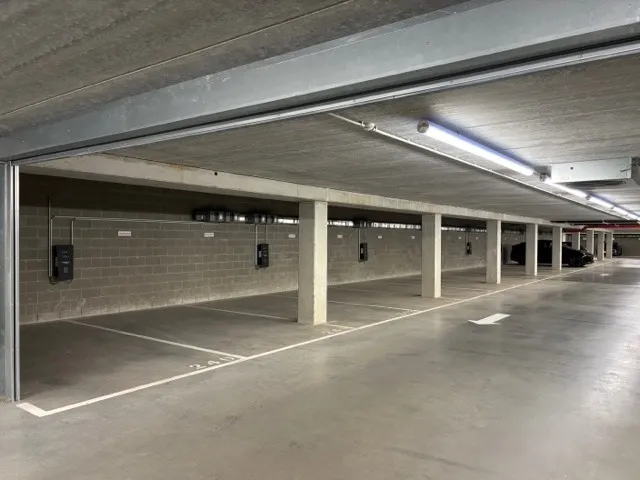 Resolve, Brussels
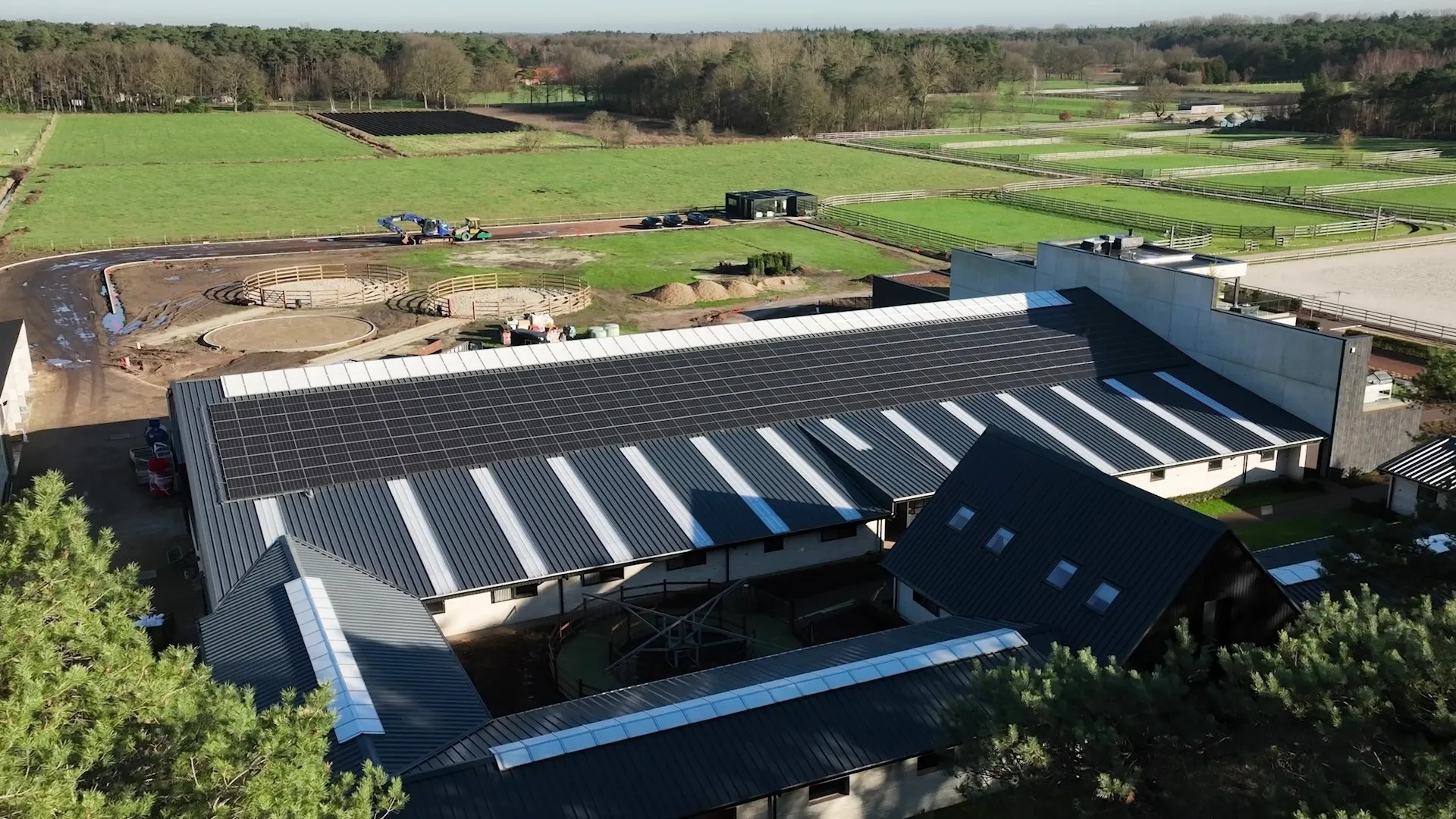 Zandhoven
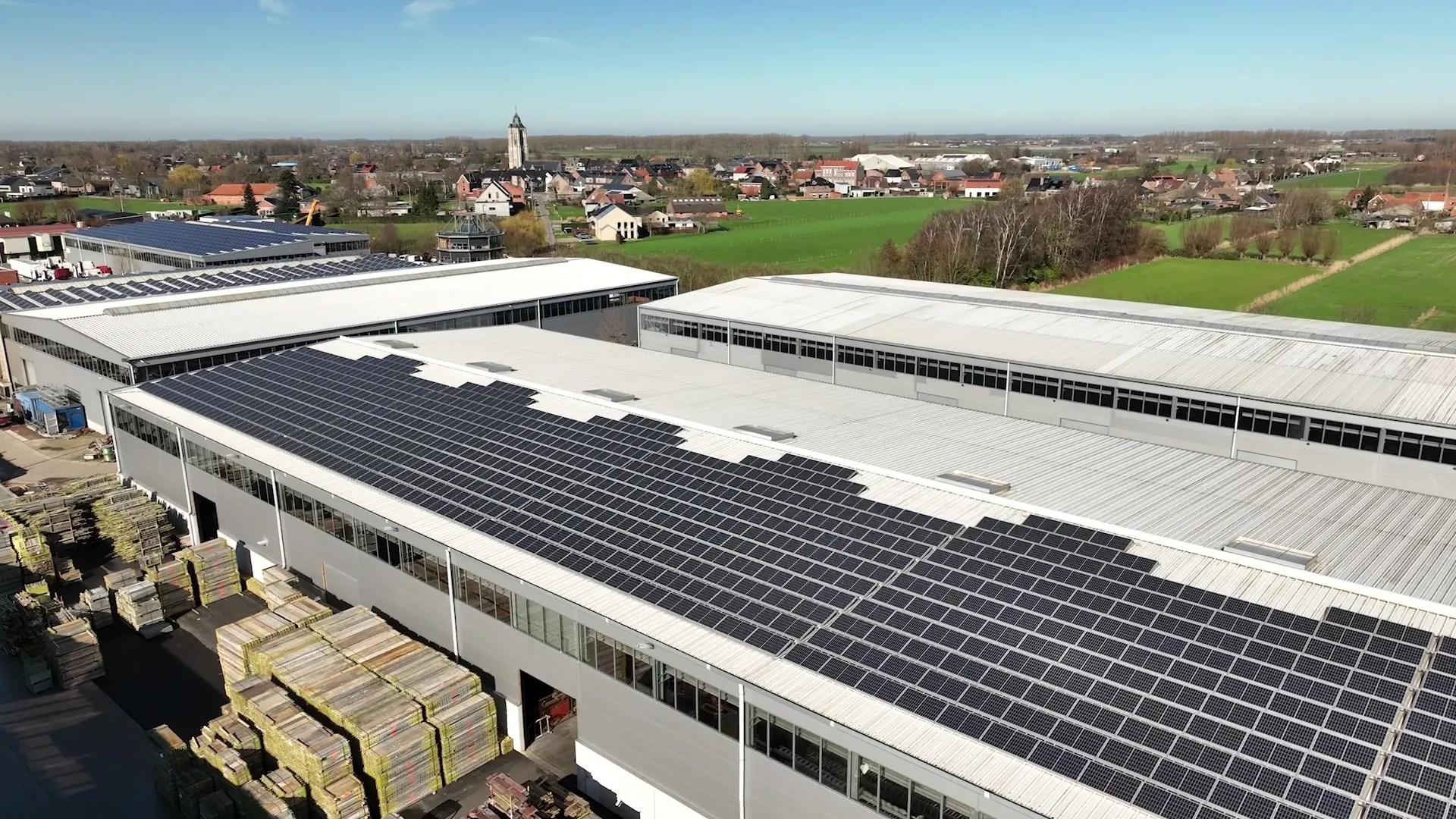 Beveren
The EVC100 is a charge controller made by Gadgeon. It sits inside a charge point or wallbox and controls the charging of one or two connectors. It handles user access with RFID, talks to the back office through OCPP 1.6J and decides how much power each car may take. It is CE certified and suits uses from homes to industrial sites.
If your software speaks OCPP 1.6J, yes. OCPP is the open standard that charge points use to talk to a charge point management system (CSMS). Through OCPP load profiles, a utility or operator can also control charging sessions remotely based on grid conditions. That makes demand response possible and supports a stable grid.
In three ways. Dynamic load management is built in. Over CANbus, several EVC100 controllers share power in a master/slave setup, without an extra platform. And an energy management system can set the charging power from outside through Modbus TCP/RTU. Our page on load balancing for charge points explains which setup fits which site.
The EVC100 supports one or two connectors and charge points from 2 kW to 22 kW. It is used in EV charging stations, wallboxes and charging points in street lights. Its modular design suits everything from residential to industrial sites, and it connects to power meters, home automation and PV inverters through Modbus.
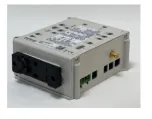
The controller and the power meters are mounted on a DIN rail. The EVC100 runs on a 12 V DC power supply at 2 A, an AC to DC unit that also mounts on the DIN rail. It connects through Ethernet, 4G or Bluetooth Low Energy, and has a 2-channel input/output extension for extra functions.
Yes. You configure and support the EVC100 through a web dashboard. A secure VPN connection gives remote access for diagnosis, monitoring and maintenance, so many problems can be solved without a site visit. The built-in 4G modem keeps the controller online even where there is no wired network.
The terms behind smart charging, explained in plain words.
Most Belgian companies can add many more EV charge points without a heavier grid connection. Dynamic load balancing shares the power that is left on your connection across all chargers in real time, and a battery can add extra power when the grid cannot. BeLoaded runs 112 balanced chargers in one Brussels car park and raised a logistics site from 90 kW to almost 600 kW of available power.
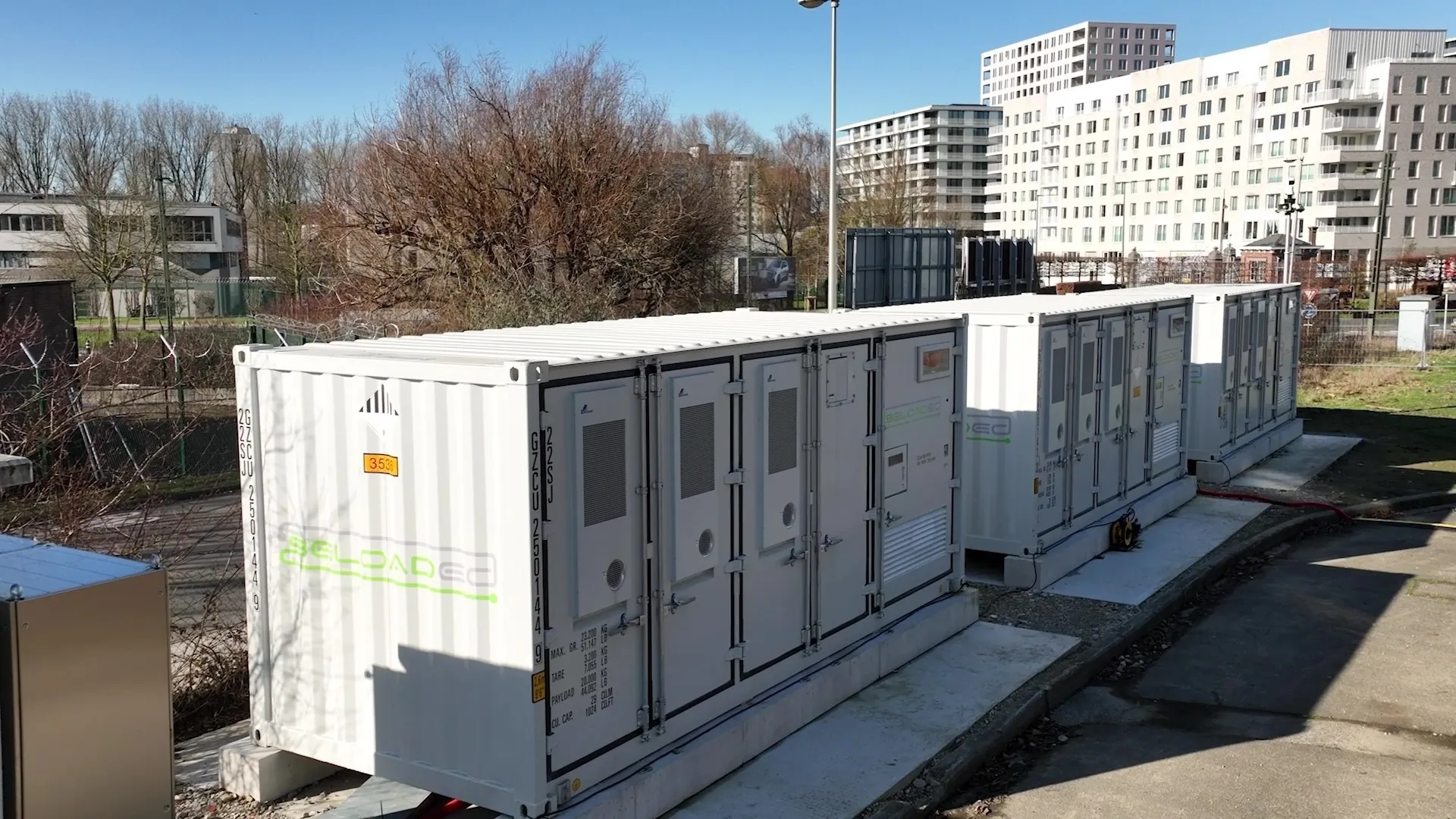
The capacity tariff is the part of your Belgian grid costs based on your highest 15-minute power peak, not on how many kWh you use. In Flanders every company pays it since 2023; in 2026 Wallonia and Brussels only charge peaks for larger connections. Spreading loads, smart EV charging, a battery and an energy management system can all lower that peak.
In EV charging stations, wallboxes and charging points in street lights. Download the brochure for the full specifications, or ask us how the EVC100 fits your project.