
Our own energy consultants
- Our energy specialist audits your site, designs the right solution, chooses the equipment and implements it.
- At regular times we meet with you to review the results of the implementation.
BeLoaded EMS brings all your energy equipment together in one platform. It measures, forecasts and steers in real time, so you avoid peaks, use more of your own solar power and can earn from energy markets.

In short
An energy management system (EMS) is software plus a small controller on site that measures and steers all your energy equipment in real time. BeLoaded EMS connects solar panels, a company battery, EV chargers, HVAC and other flexible loads in one platform. Belgian businesses use it to keep their 15-minute peaks low, use more of their own solar power and earn money from energy markets.
Not sure where to start? The quick check shows in two minutes which solution fits your site.
Energy is no longer just a cost. It is something you can steer. Rising electricity prices, a busier grid, EV fleets, solar panels and sustainability rules make energy more complex than ever. An EMS keeps it simple by steering everything from one place.
Every device works on its own. Machines, heating and chargers run at the same time and create a peak above your grid limit.
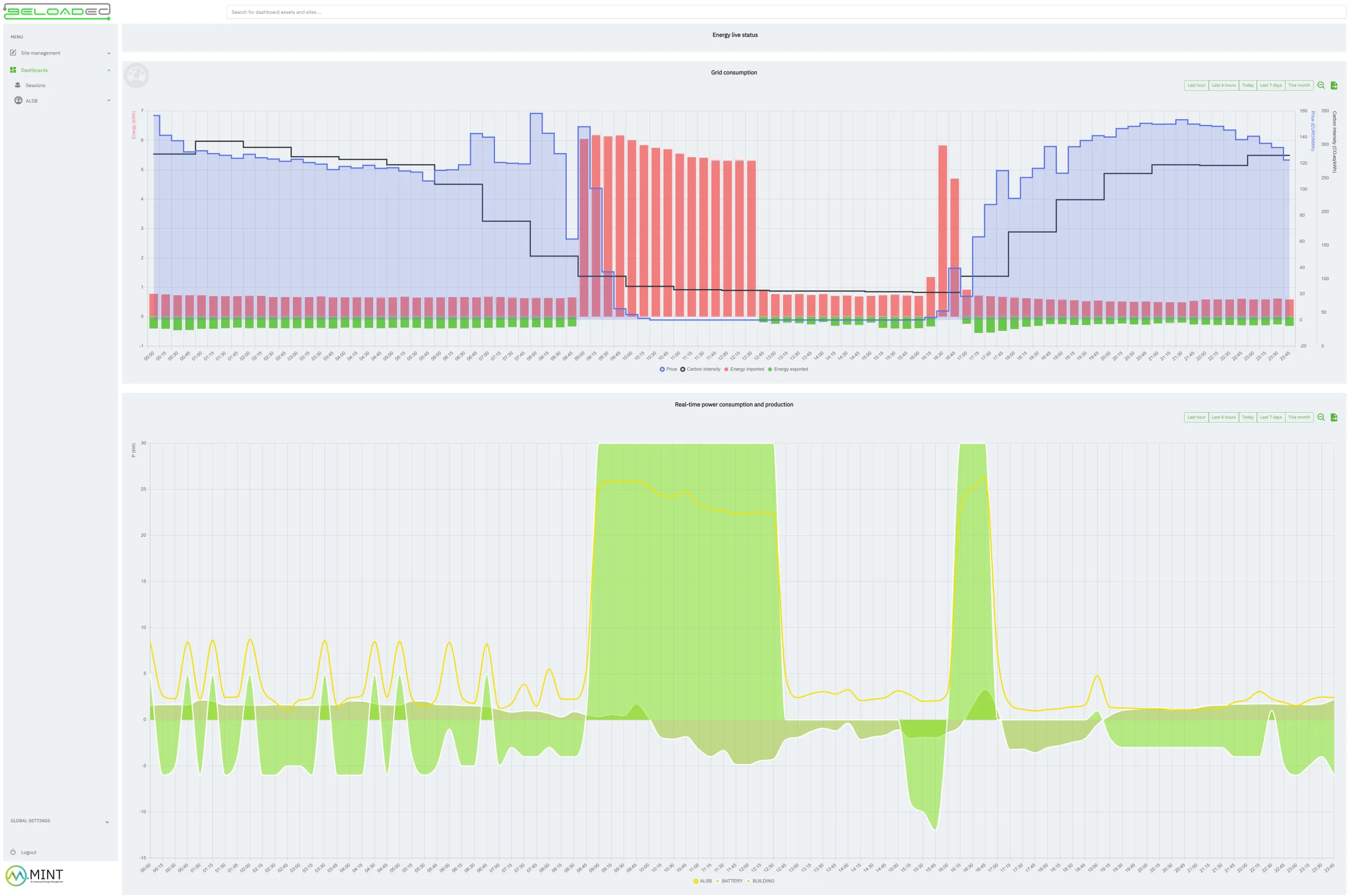
It predicts your consumption, your solar production and the day-ahead prices, and plans the best moment for every device.
The battery charges on cheap or sunny hours and helps at the peak. EV charging moves to the hours with the most room on your connection.
Your peaks stay below the limit, you use more of your own solar power and the battery can earn on the market in the remaining hours.
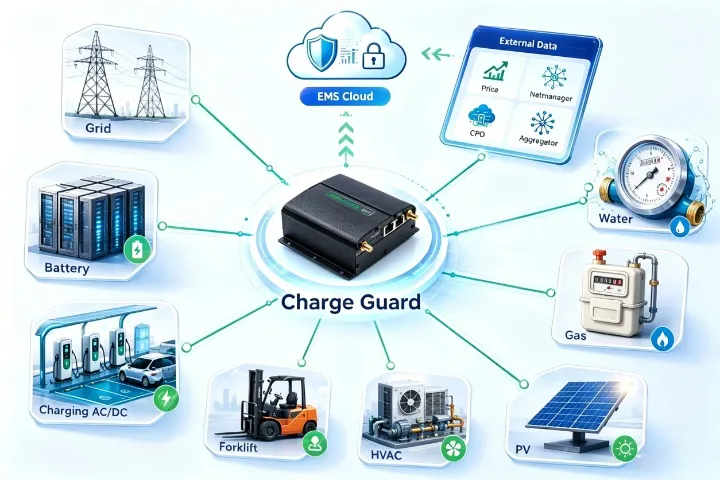
BeLoaded EMS is an energy management system that steers all your energy equipment in real time: rooftop solar panels, battery storage, EV charging, HVAC systems and other flexible loads. Instead of managing each one on its own, BeLoaded connects them into one system that reacts to your site, the grid and energy prices.
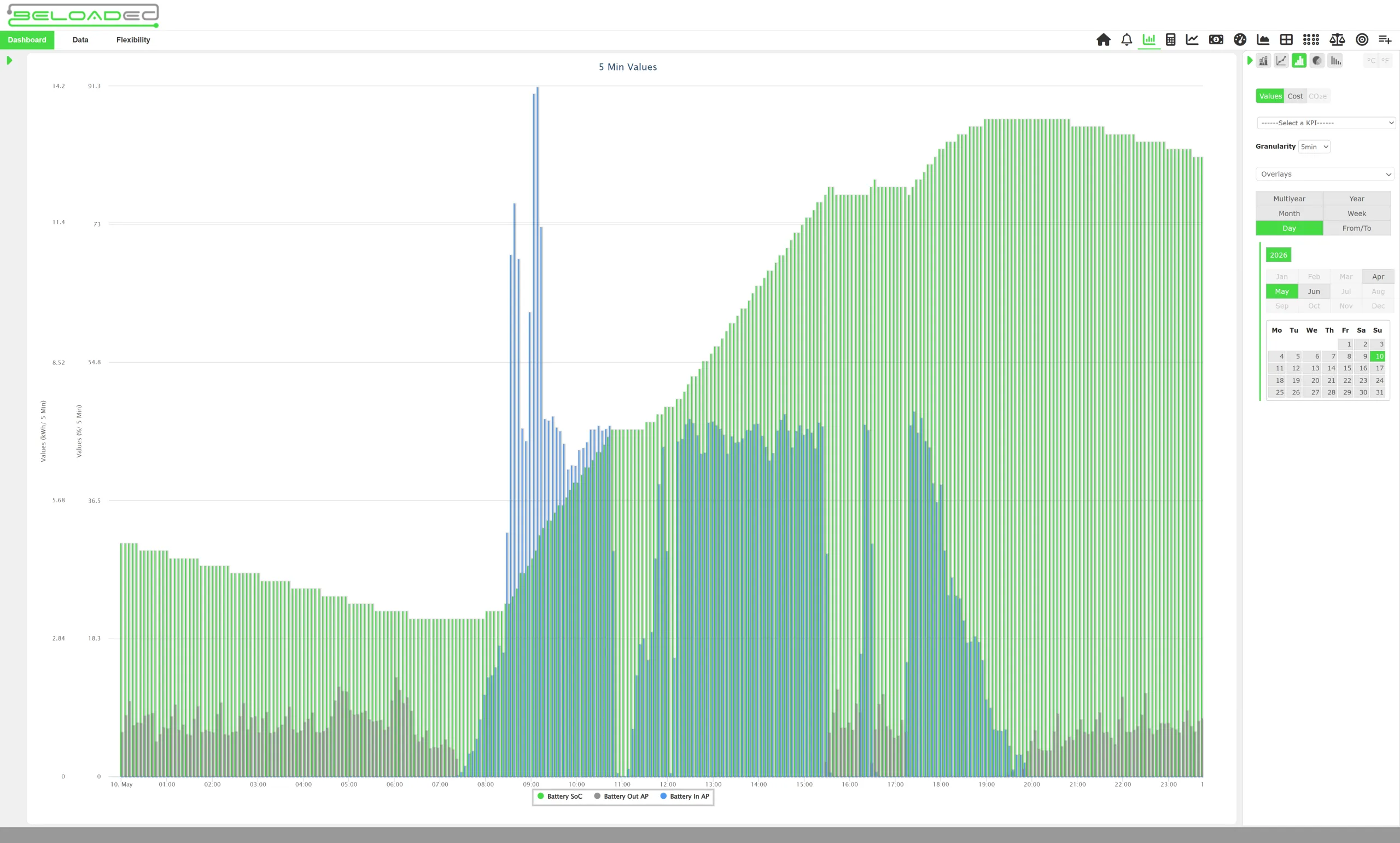
BeLoaded EMS brings all your energy equipment together with automatic control, real-time analysis and a link to the grid. That makes your energy easier to run and lowers your costs. It does all of this:
Yes. BeLoaded EMS does more than a classic building EMS: it is built for the energy transition. It supports demand response, dynamic tariffs and grid services. That lets your business take part in new energy markets and turn its flexibility into extra revenue, for example on the aFRR balancing market.
No more separate dashboards and systems that don't talk to each other. BeLoaded gives you one view of all your energy equipment, with real-time monitoring, automatic control and clear advice, from a single screen and certified controllers on site.
From 112 chargers in a Brussels car park to a solar site in Zandhoven that aims to run fully on its own solar power from March to September. See all case studies.
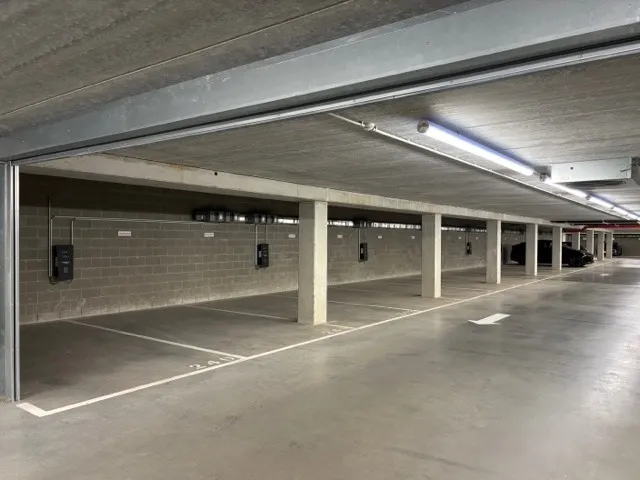 Resolve, Brussels
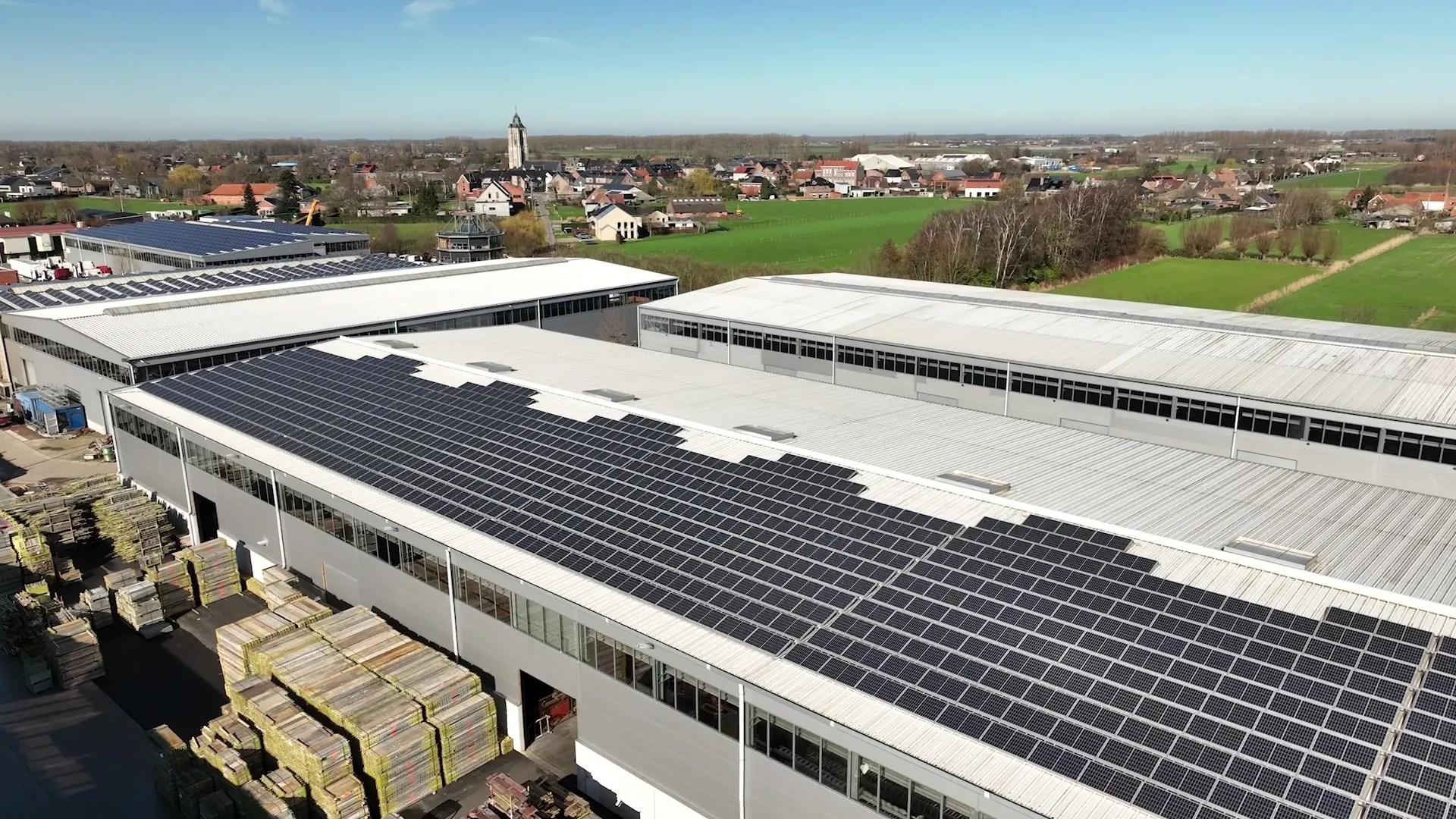 Beveren
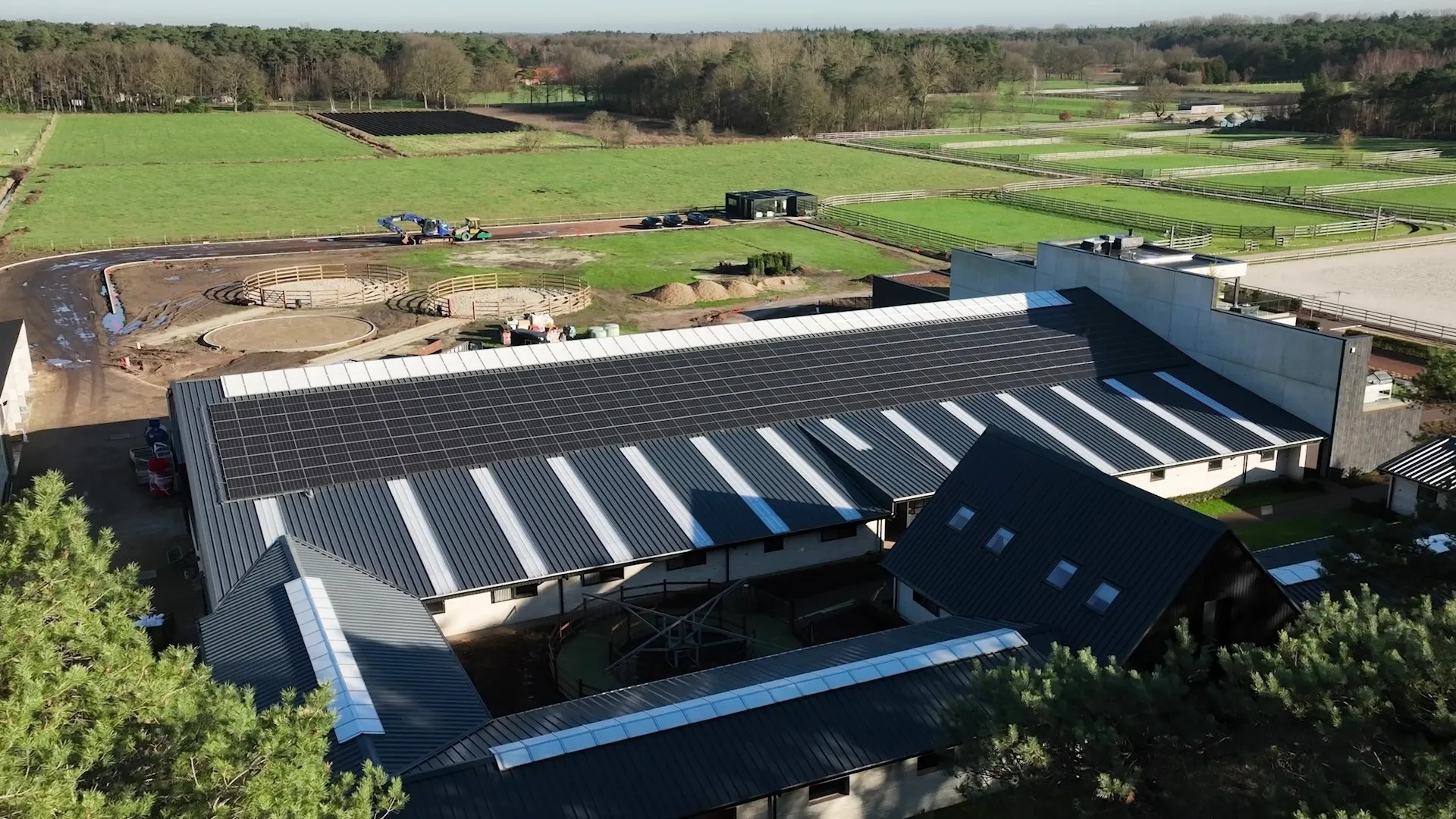 Zandhoven
An energy management system is software plus a controller on site that measures and steers your energy equipment in real time. It decides when your battery charges, how much power your EV chargers get and when solar production is stored or curtailed. For Belgian businesses this means lower peaks, a lower capacity tariff and more use of their own solar power.
No. BeLoaded EMS can also monitor and report on other things, such as water, gas, temperature, CO2, flows and forklifts. It can bring in other datasets too and combine them into virtual data points. That way you see all your consumption and site data in one platform, not only electricity.
No. BeLoaded EMS has open interfaces and parsers that connect sensors and platforms from different brands. It talks to batteries, chargers and meters through standard protocols such as Modbus TCP and OCPP 1.6J. So you can keep the equipment you already have and add new equipment later without being locked in to one supplier.
Yes, AI is used in every layer of the system. A sentinel function watches for unusual behaviour. A forecasting algorithm calculates the best setpoints for each asset, for example how hard a battery should charge. An economic AI looks for the best moments to buy or sell electricity on the market.
Yes. In Flanders part of your grid bill depends on your highest 15-minute peak, the capacity tariff. The EMS spreads EV charging, uses the battery at peak moments and keeps your consumption below a limit you set. That keeps your peaks lower and often lets you add EV chargers without a bigger grid connection.
Yes. The controllers BeLoaded uses on site comply with TÜV and ISO standards. They are the certified link between your equipment and the BeLoaded platform for monitoring, forecasting and control. Our local team in Antwerp handles the integration of new equipment and the connection with your own platforms and databases.
The capacity tariff is the part of your Belgian grid costs based on your highest 15-minute power peak, not on how many kWh you use. In Flanders every company pays it since 2023; in 2026 Wallonia and Brussels only charge peaks for larger connections. Spreading loads, smart EV charging, a battery and an energy management system can all lower that peak.
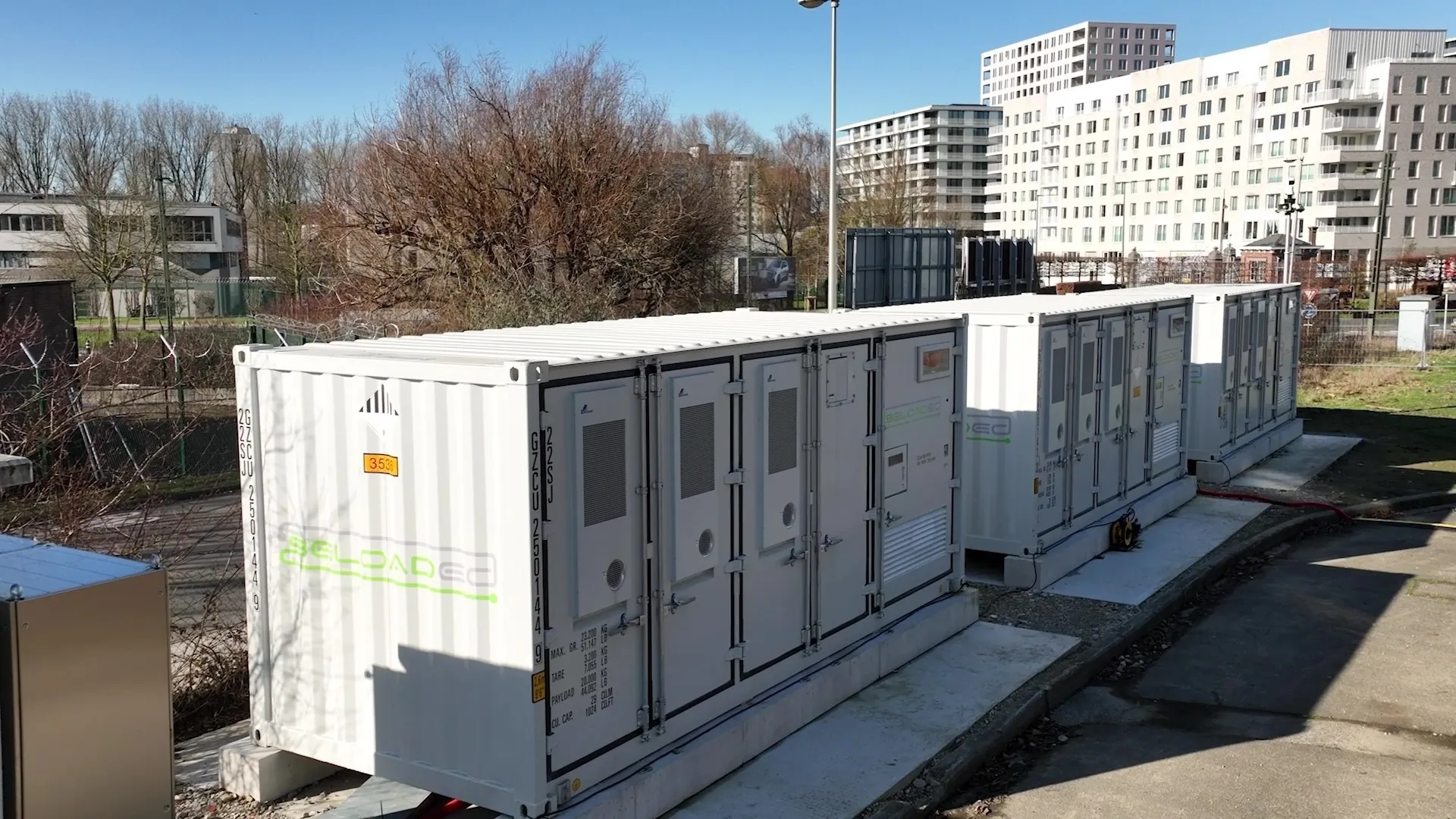
Most Belgian companies can add many more EV charge points without a heavier grid connection. Dynamic load balancing shares the power that is left on your connection across all chargers in real time, and a battery can add extra power when the grid cannot. BeLoaded runs 112 balanced chargers in one Brussels car park and raised a logistics site from 90 kW to almost 600 kW of available power.
With a dynamic energy contract, your company pays a price that follows the Belgian day-ahead market, which sets a new price for every quarter-hour since 1 October 2025. It pays off when you can move consumption to cheap hours, and it can cost more if you mostly use power in the expensive evening. A battery and an energy management system make that shifting automatic.
In a short demo we show you the platform and what it could do for your battery, chargers and solar panels.