Charge more electric cars on the grid connection you already have

Load balancing shares the power of your grid connection between your charge points, your building and your solar panels. You add charge points for fleet, staff and visitors without paying for a bigger connection.

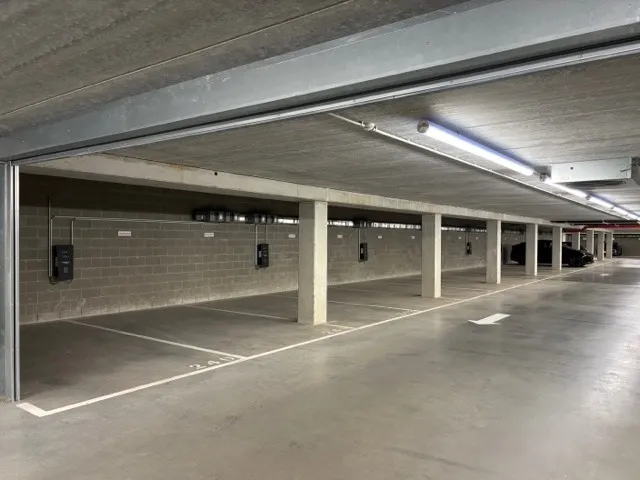
Charge points in the Resolve underground car park in Brussels

In short

What is load balancing for charge points?

Load balancing for charge points means your charge points share the power your grid connection has left, instead of each one pulling full power at the same time. For companies in Belgium, it is the simplest way to add charge points without a bigger grid connection, and the base for charging cars with your own solar power or a battery. BeLoaded sets it up in three ways: CANbus master/slave, an OCPP 1.6J proxy or one central MODBUS TCP controller.

  • Your site stays under its grid connection limit at every moment
  • Cars charge on your own solar power and in cheap hours
  • A battery can add charging power where the grid falls short

Is load balancing for you?

Not sure? The quick check tells you in a few minutes whether load balancing, a battery or both make sense for your site.

  • You want more charge points, but your grid connection is already close to full.
  • Your fleet plugs in at the same time every morning and your power peak shoots up.
  • Your grid costs went up after you installed charge points.
  • You have solar panels and want cars to charge on your own power.
  • You run a car park where visitors or customers charge.
  • You plan more electric vans or trucks in the next few years.

How does load balancing share power between your charge points?

Follow one working day on a company site with a car park. Each step adds one part of the system.

0below 0 = injection
Illustration of one day · Hours of the day
  1. 01

    Without control

    Everyone plugs in when they arrive. Each charge point pulls full power on top of what the building uses. Use shoots above your grid connection limit.

  2. 02

    The power is shared

    Load balancing measures what the building uses and gives the charge points only what is left. Cars charge a bit slower at busy moments and faster when the site is quiet.

  3. 03

    Solar power goes into the cars

    When your solar panels produce more than the building needs, the surplus goes into the cars first instead of into the grid.

  4. 04

    A battery and prices add room

    A battery adds power when the grid can’t give more. The controller can also follow day-ahead prices, so cars charge in the cheapest hours.

Which type of load balancing fits your site?

There are three ways to set it up. The right one depends on your charge points and on what else runs on your site. Done well, load balancing lets sites and grid operators handle the growing demand from electric cars while the power supply stays reliable and efficient.

LinQ 2 charge point

CANbus master/slave

Charge points that talk to each other. The EVC100 charge controller has a CANbus connection. The available power, from the grid and from your solar panels, is shared over all cars connected to a site with several charge points. No extra hardware or software platform is needed.

About the EVC100

OCPP proxy load balancing

Steering through the OCPP 1.6J protocol. An extra OCPP proxy controller sits between your charge points and your charge point operator (CPO). It checks the available power and the running charging sessions, then gives each charge point the right setpoint. Every charge point needs an Ethernet port and must connect to the CPO over a fixed IP connection. OCPP is the open language charge points use to talk to their management software.
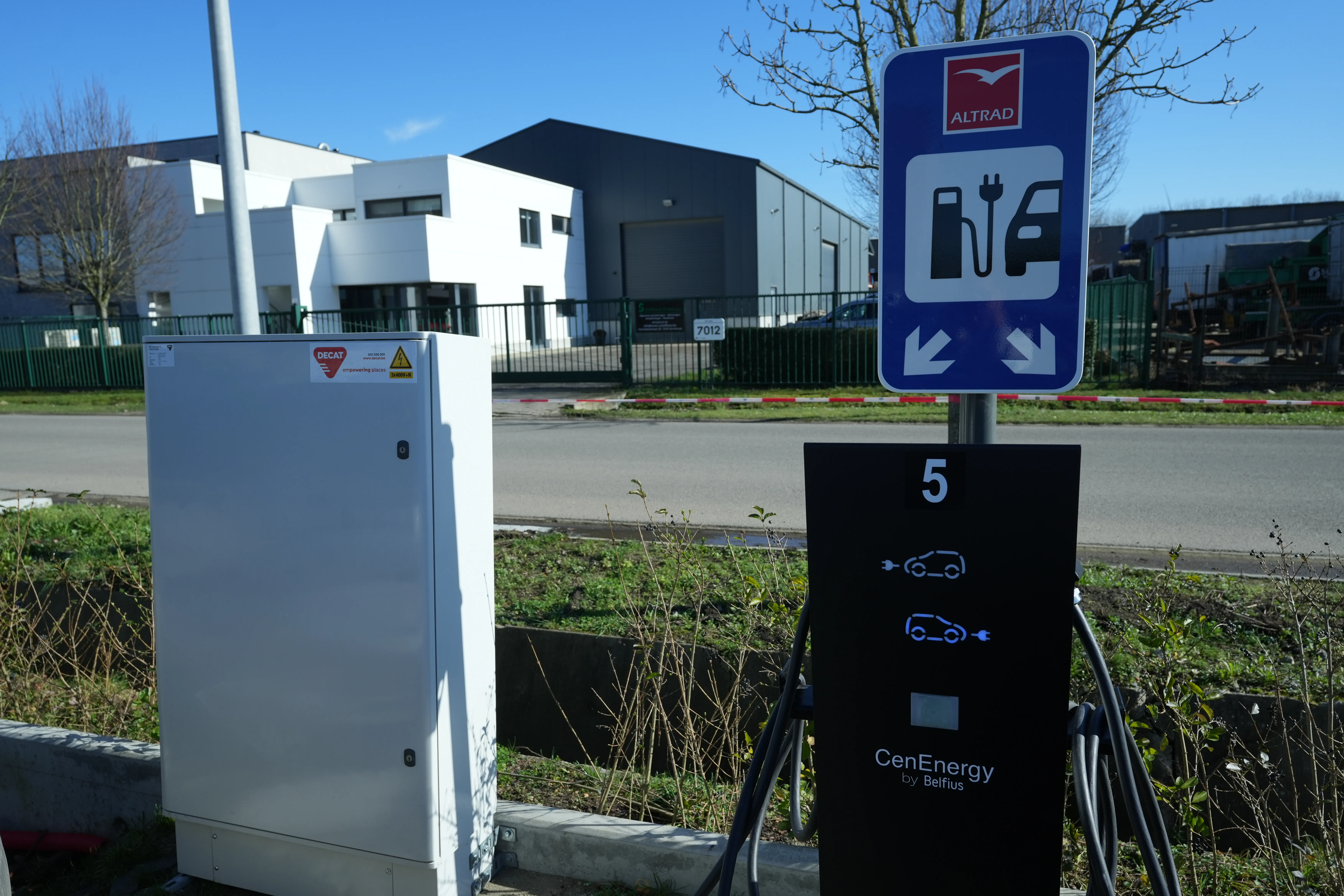
MODBUS TCP load balancing

One central controller for the whole site. All your equipment, EV chargers included, connects to a central controller over MODBUS TCP. It recalculates the energy flows every second. It can also connect to EPEX or to any utility to work out the best charging schedule for every charge point.

Why is load balancing important for EV charging?

Load balancing fits EV charging, solar production and battery storage into the grid connection you have. Here is what it does for the grid, your costs and your charging infrastructure.

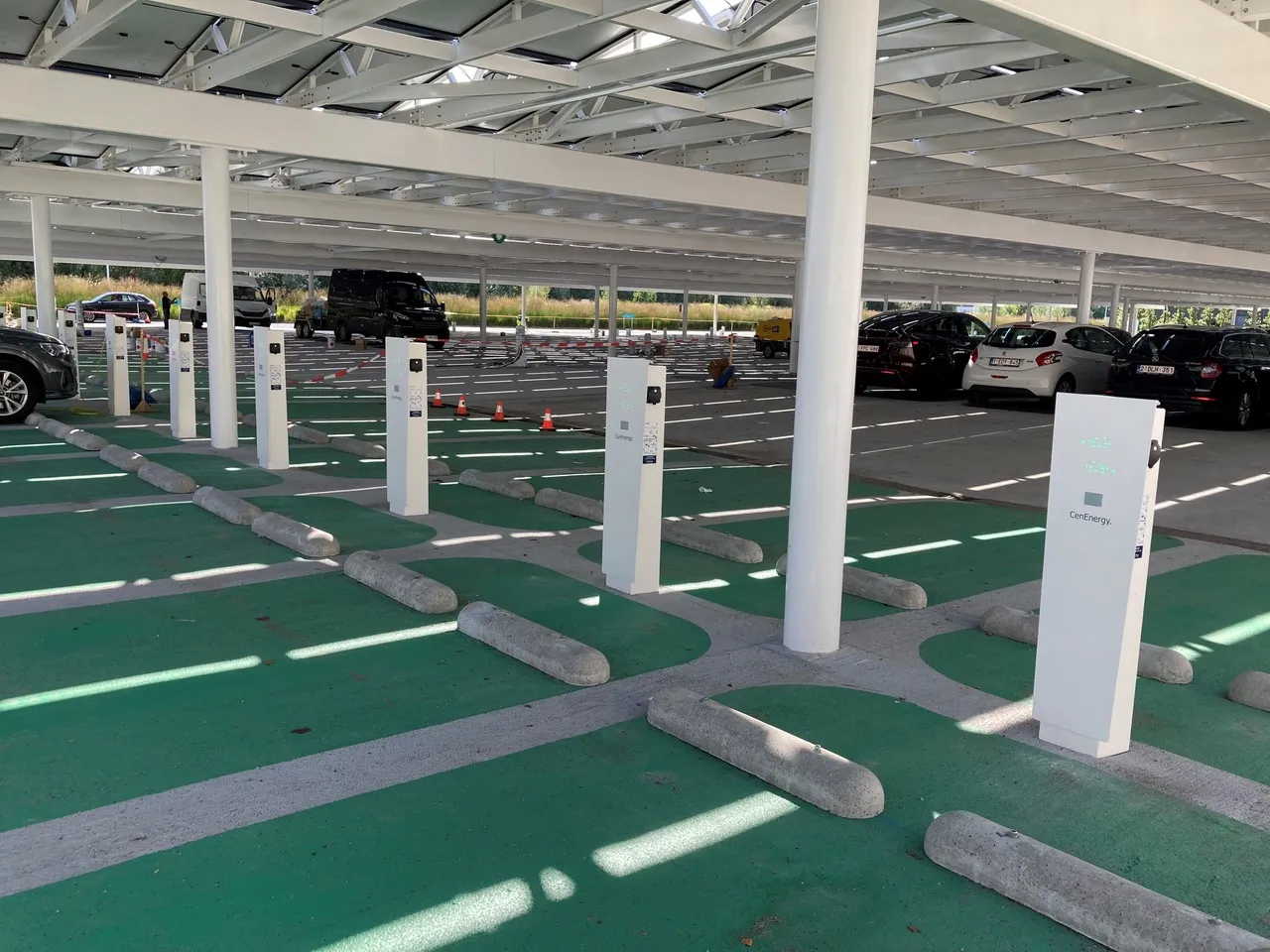
Row of charge points for electric cars at a company car park

A stable and reliable grid

  • No overloads

    Load balancing spreads the charging load evenly, so the grid is not overloaded. That avoids blackouts and keeps the power supply stable.

  • Peaks under control

    With the load spread out, the grid copes better with busy periods, and everyone connected to it keeps reliable power.

Lower costs

  • Fewer expensive peaks

    Balanced charging reduces the need for expensive peak power plants and grid upgrades. Those savings can be passed on to consumers.

  • Smarter energy use

    Your energy use is optimised. That means lower energy bills, no penalties for going over your maximum capacity, and no imbalance caused by your site.

More out of your charge points

  • Better use of every charge point

    When the load is shared over many charge points, you get the most out of the infrastructure you already have and need less new investment.

  • Dynamic prices and shifting charging

    Load balancing makes dynamic prices possible that reward drivers for charging outside busy hours, which flattens demand further. Combined with a battery, load balancing can create a positive business case to lower your CO2 footprint, with a return on investment within 4 to 5 years.

What else does load balancing bring?

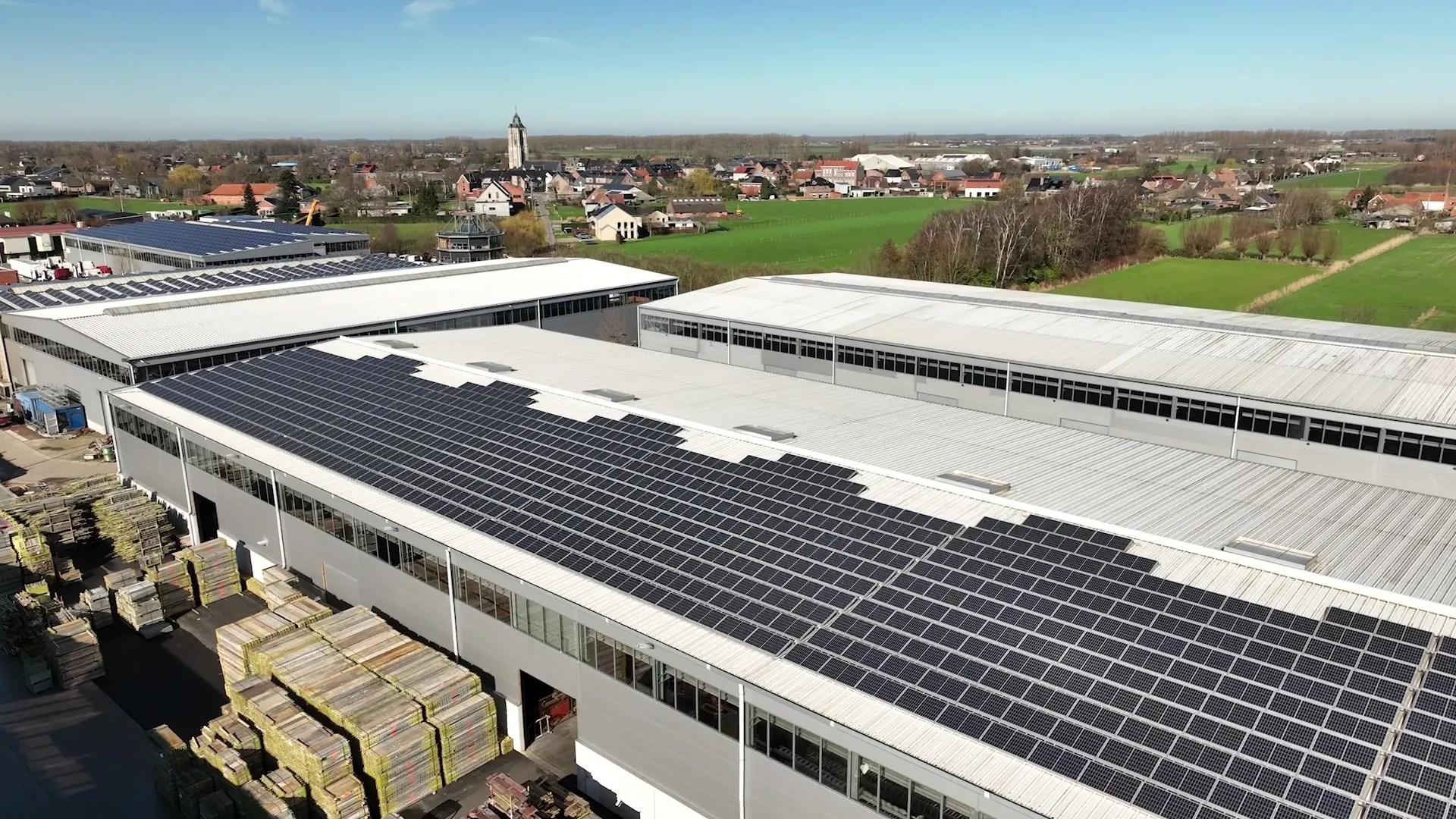
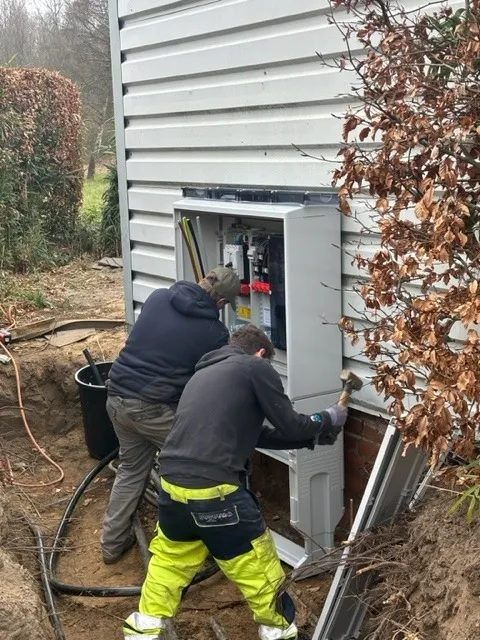
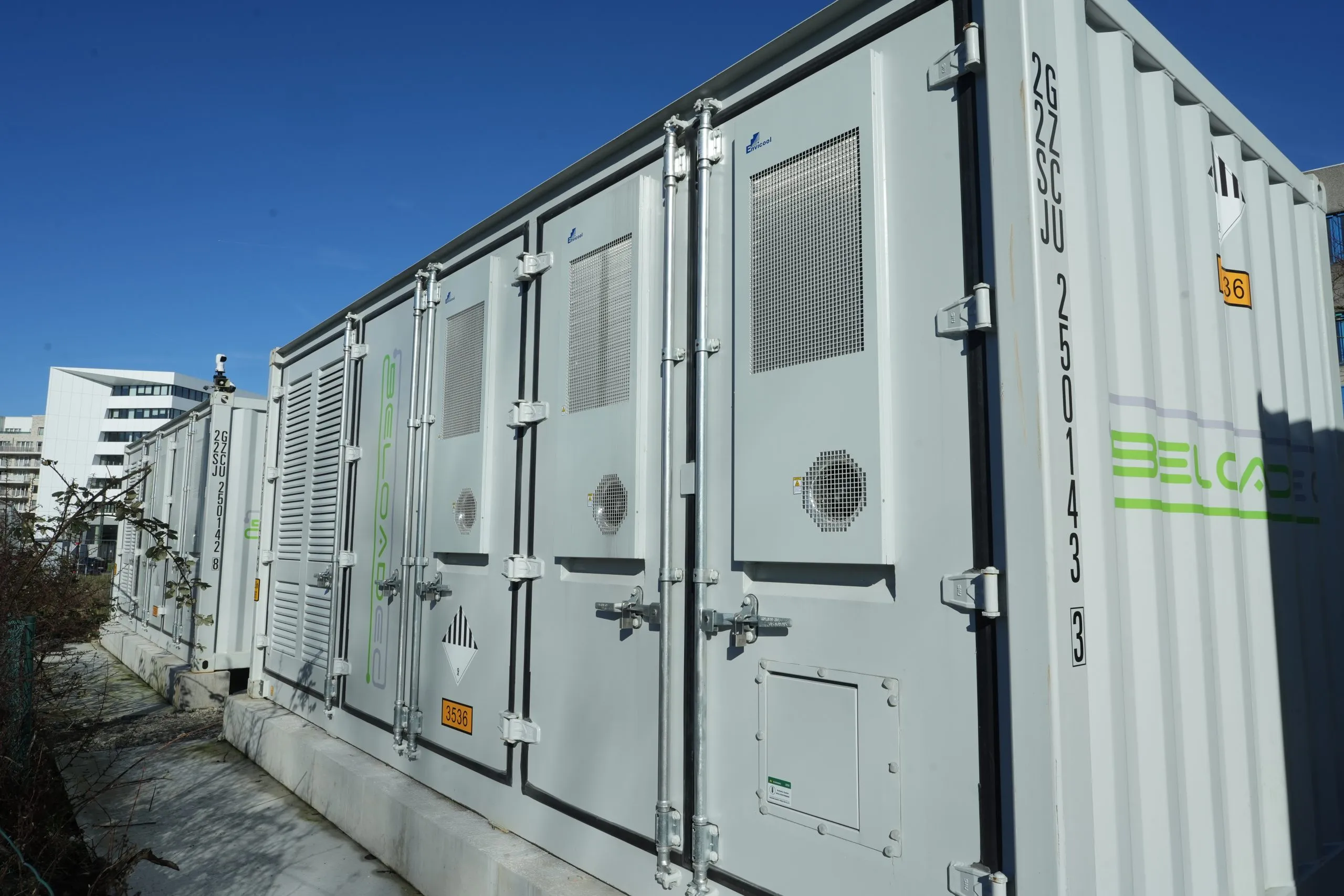
BeLoaded energy installation on a company site

Better for the environment

  • Fewer emissions

    Efficient load balancing reduces the need for peak power plants that run on fossil fuels. That means lower greenhouse gas emissions.

  • More room for renewable energy

    Charging can follow the moments when solar or wind power is available. That makes it easier to fit clean energy into the grid.

Ready to grow

  • Room for more EVs and solar panels

    As the number of electric cars and solar installations grows, load balancing is needed to handle the extra demand without making the grid unstable.

  • Future-proof

    Setting up load balancing now prepares your site and the grid for the expected rise in electric cars.

Better for drivers

  • Reliable charging

    Drivers can charge their cars without interruptions caused by an unstable grid.

  • Flexible charging

    Load balancing allows more flexible charging, such as faster charging in quiet hours and slower charging when the grid is under strain.

How does load balancing help with rules, data and vehicle-to-grid?

EV charging infrastructure in the Resolve underground car park in Brussels

Rules and incentives

  • Meeting the rules

    Countries like Belgium and the Netherlands have rules for grid stability and efficiency. Load balancing helps you meet them.

  • Access to imbalance incentives

    Utilities offer incentives for batteries and load balancing, such as lower imbalance fees. That can pay off financially.

Better data

  • Better grid management

    Load balancing systems often come with detailed data and analysis, so the grid can be monitored and managed more effectively.

  • Insight into charging habits

    You learn how and when cars charge. That helps you plan future charging investments and supports policy decisions.

Ready for vehicle-to-grid (V2G)

  • Power in both directions

    Load balancing is essential for vehicle-to-grid, where electric cars send power back to the grid when demand is high.

  • A stronger grid

    With load balancing in place, V2G makes the grid more resilient, because cars become an extra source of energy in emergencies or at peak times.

Questions about load balancing for charge points

What is load balancing for charge points?

Load balancing is a system that decides how much power each charge point may use at any moment. It looks at what your building uses and at your grid connection limit, then shares the rest over the cars that are plugged in. Without it, every charge point pulls full power at once and you quickly hit your limit or a costly peak.

Can I add charge points without a bigger grid connection?

Usually yes. Load balancing lets more charge points share the same connection, because cars rarely all need full power at once. In Flanders it also keeps your monthly 15-minute peak down, which limits your capacity tariff. If the connection is really too small, a battery can add power. Our guide on more EV chargers without a grid upgrade explains the options.

Which load balancing method should I choose?

It depends on your site. CANbus master/slave suits a group of charge points with EVC100 controllers and needs no extra platform. An OCPP 1.6J proxy works with charge points that have an Ethernet port and a fixed IP connection to their operator. A central MODBUS TCP controller steers the whole site, including solar panels and batteries, and recalculates every second.

Will drivers still leave with a charged car?

Load balancing is built to keep charging reliable. Drivers don’t get interruptions from an overloaded connection, because the system adjusts power before the limit is reached. Cars charge faster when the site is quiet and slower when the building needs power or the grid is under strain. A central controller can also follow day-ahead prices, so charging happens in cheap hours.

Does a battery make sense next to my charge points?

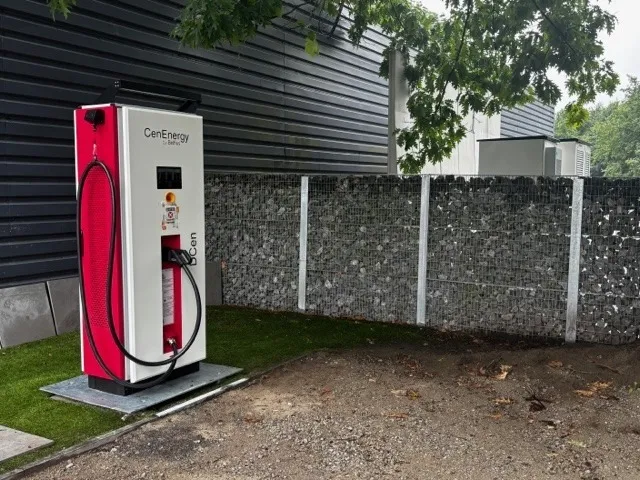
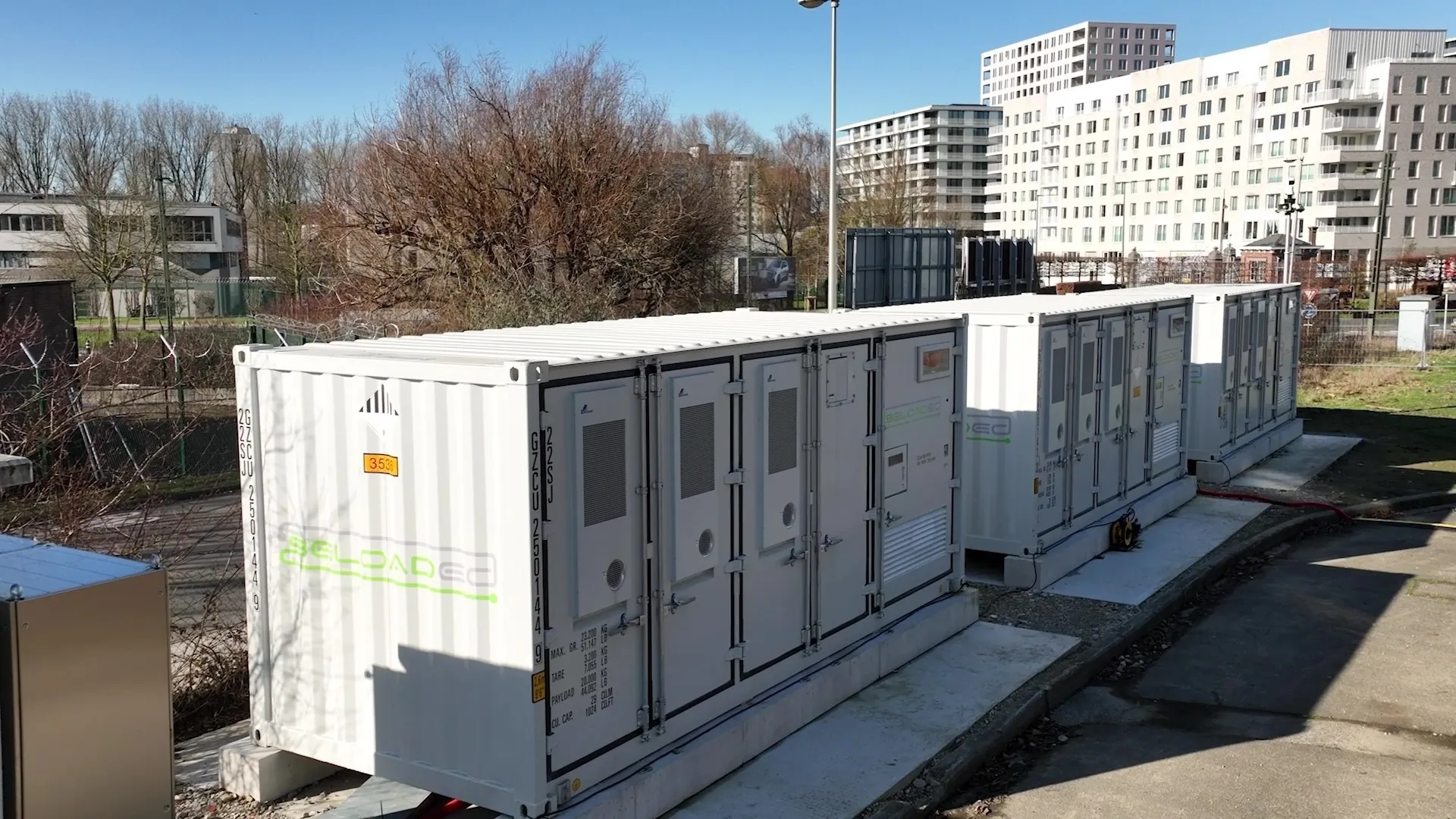
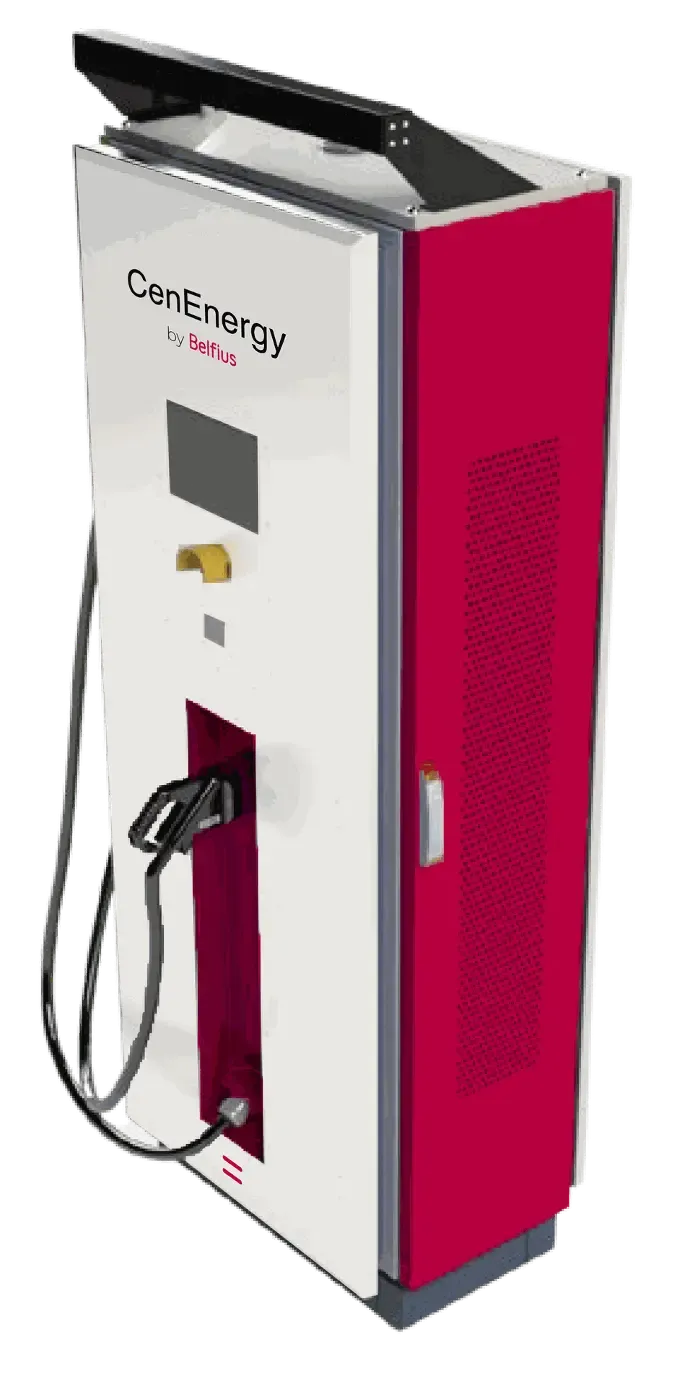
It can, especially when your grid connection is much smaller than the power your chargers need. In Puurs, the import limit is far below the 69 kW of the DC charger, so a 62.5 kW / 215 kWh battery boosts the available power. The battery itself charges at the lowest possible cost or on surplus solar power. Combined with a battery, load balancing can pay back within 4 to 5 years.

Is load balancing ready for vehicle-to-grid?

Yes. Vehicle-to-grid (V2G) lets electric cars send power back to the grid or your building when demand is high. That only works when a system controls how much power flows in each direction, at each charge point. Load balancing is that system, so installing it now prepares your site for V2G later.

Learn more

The terms and guides that help you plan charging at your site.

Knowledge hub
Load balancing
Load balancing automatically shares the available power between charge points and other loads, so cars charge as fast as possible without overloading your grid connection.
OCPP (Open Charge Point Protocol)
OCPP (Open Charge Point Protocol) is the open communication standard between an EV charging station and the software that manages it, used for sessions, billing and smart charging.
Capacity tariff
The capacity tariff is the part of your network costs in Flanders based on your highest 15-minute power peak each month, not only on the kWh you use.
Grid connection capacity
Grid connection capacity is the maximum power your site can draw from or inject into the grid at once, set by your connection and contract, usually expressed in kVA.
Vehicle-to-grid (V2G)
Vehicle-to-grid (V2G) means an electric car's battery sends electricity back to the grid through a bidirectional charger, so parked vehicles can help balance supply and demand.
Imbalance
Imbalance is the difference, per quarter-hour, between the electricity a market party planned to take from or put on the Belgian grid and what actually happened.
All terms

How many more cars can your connection charge?

Tell us how many charge points you have, how many you want, and what your grid connection allows. We work out the setup that fits, with or without a battery.

Battery that boosts EV charging at the Puurs site