In short
- 62.5 kW
- Battery power
- 215 kWh
- Battery capacity
- 120 kW
- Combined charger capacity
- 69 kW
- Maximum power of the DC charger
The challenge
The site in Puurs has AC and DC chargers with a combined capacity of 120 kW. The DC charger alone can deliver up to 69 kW. But the import limits, the power the site may draw from the grid under its contract, are significantly lower than that maximum.
The solution
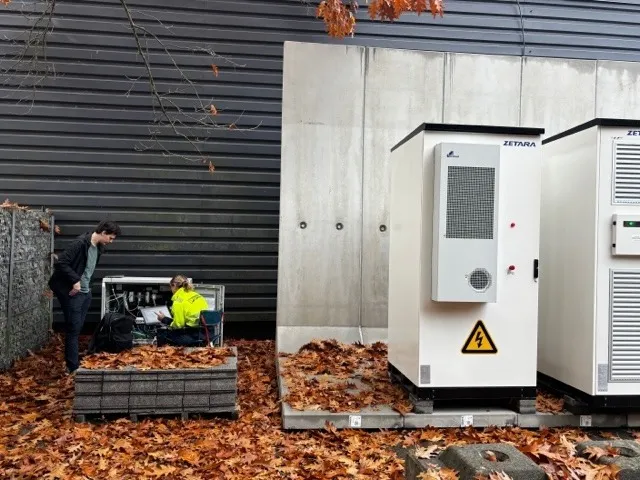
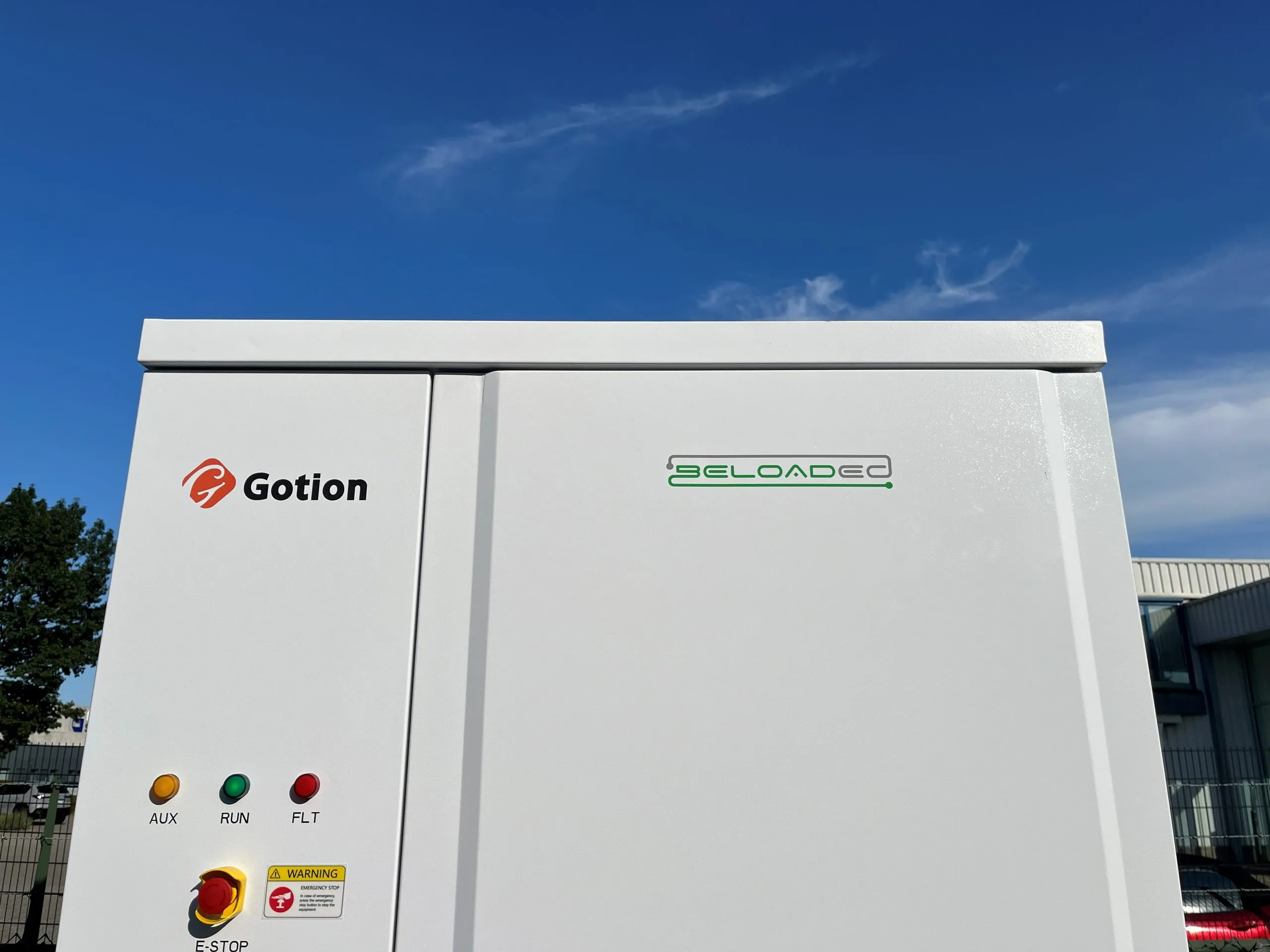
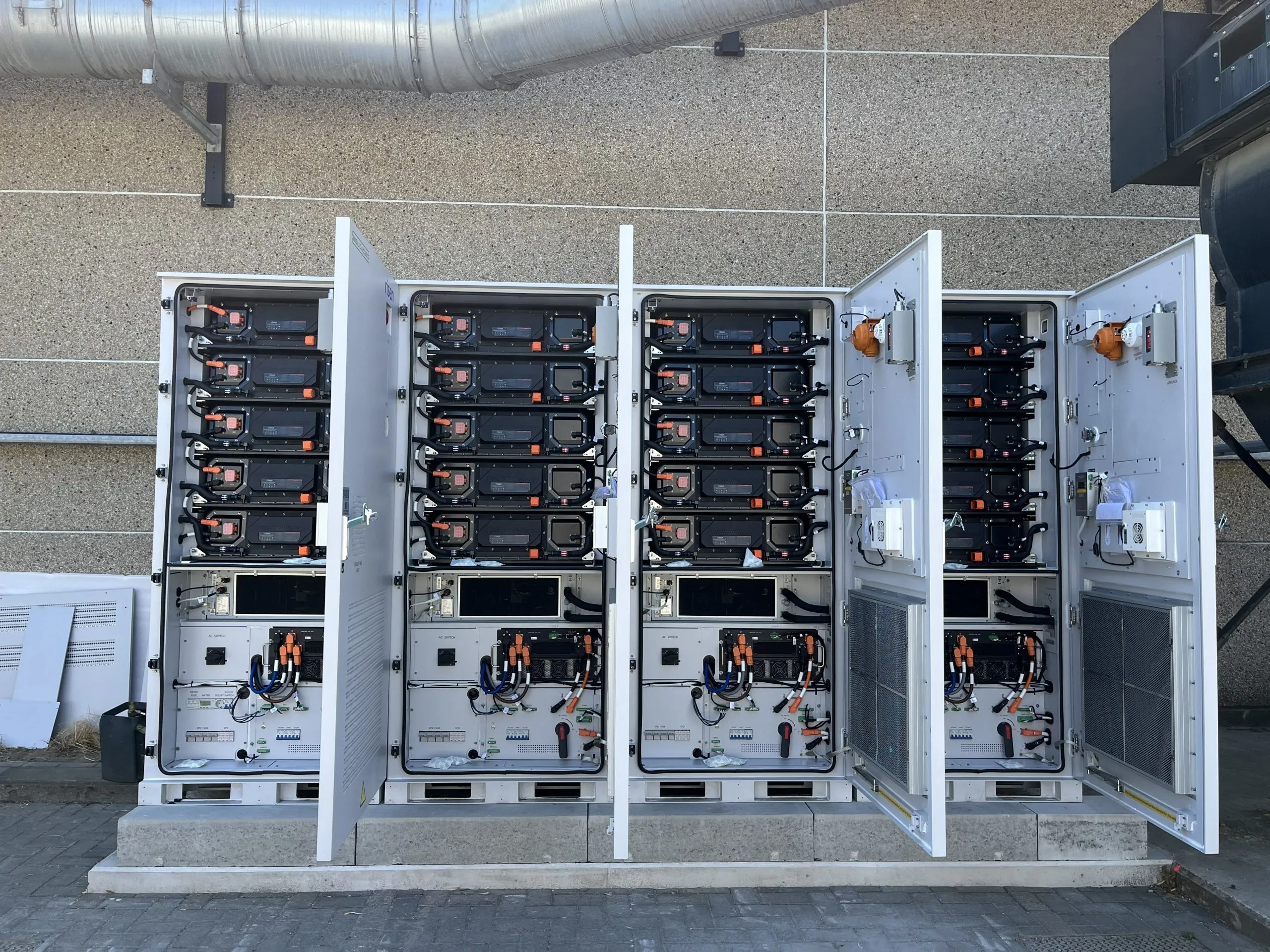
A BESS (battery energy storage system) with a total power of 62.5 kW and a capacity of 215 kWh is used to load-balance the AC and DC chargers. Load balancing means sharing the available power between the chargers in real time.
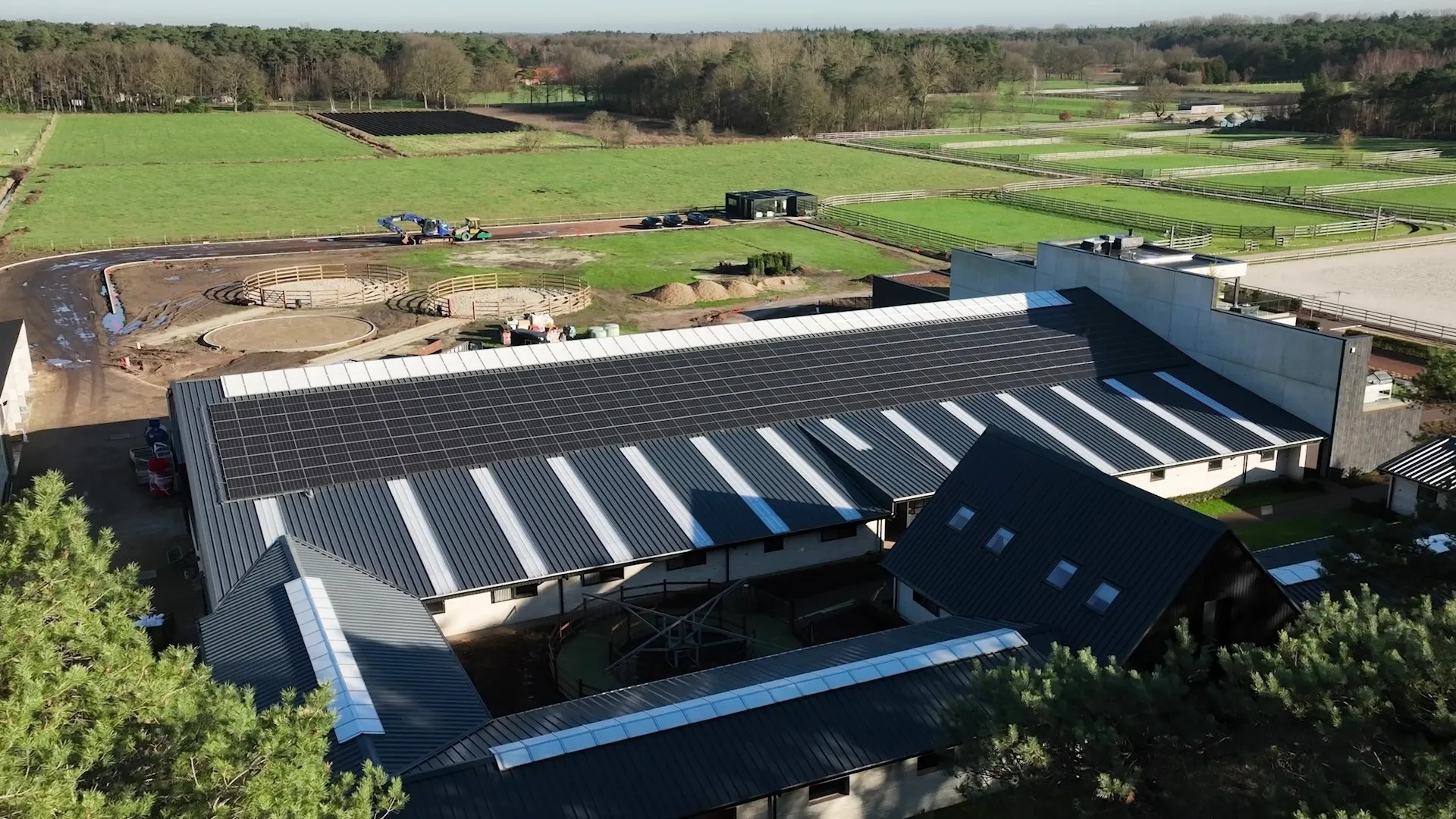
The battery follows an energy arbitrage strategy: it charges at the lowest possible cost, or when excess solar (PV) production is available.
The result
- Faster charging within the limits. The battery boosts the available capacity. That allows higher charging speeds, while the contractual limits are never exceeded.
- More profitable charging sessions. Because the battery charges when energy is cheapest or when there is excess solar, each EV charging session earns as much as possible.
See how a battery and smart charging work together: load balancing.
“What makes the difference for us is that BeLoaded doesn’t just want to sell batteries. They really think along about optimising the site and sizing it as well as possible, so we can achieve the maximum return in line with our own goals.”
Video in Dutch with Dutch subtitles · quote translated