
Use it yourself
Shift flexible use to sunny hours, for example by charging EVs at noon with load balancing. This raises your self-consumption.
On sunny days, the power price in Belgium can drop below zero. BeLoaded's PV curtailment pauses or stores your solar power at those moments, so you do not lose money on what you send to the grid.
In short
PV curtailment means deliberately turning down or pausing your solar panels, even when the sun is shining. Companies in Belgium do this when sending power to the grid would cost money, for example during negative electricity prices, or when the grid is full. BeLoaded's energy management system does it automatically and, where possible, stores the power in a battery instead.
Check today's prices on our page electricity prices in Belgium.
Around noon, your panels produce more than your site uses. What happens to that surplus decides whether you earn or lose money.
At midday, solar production is higher than your consumption. The surplus flows into the grid.
Many panels across Belgium produce at the same time. Supply is higher than demand, and the day-ahead price can turn negative.
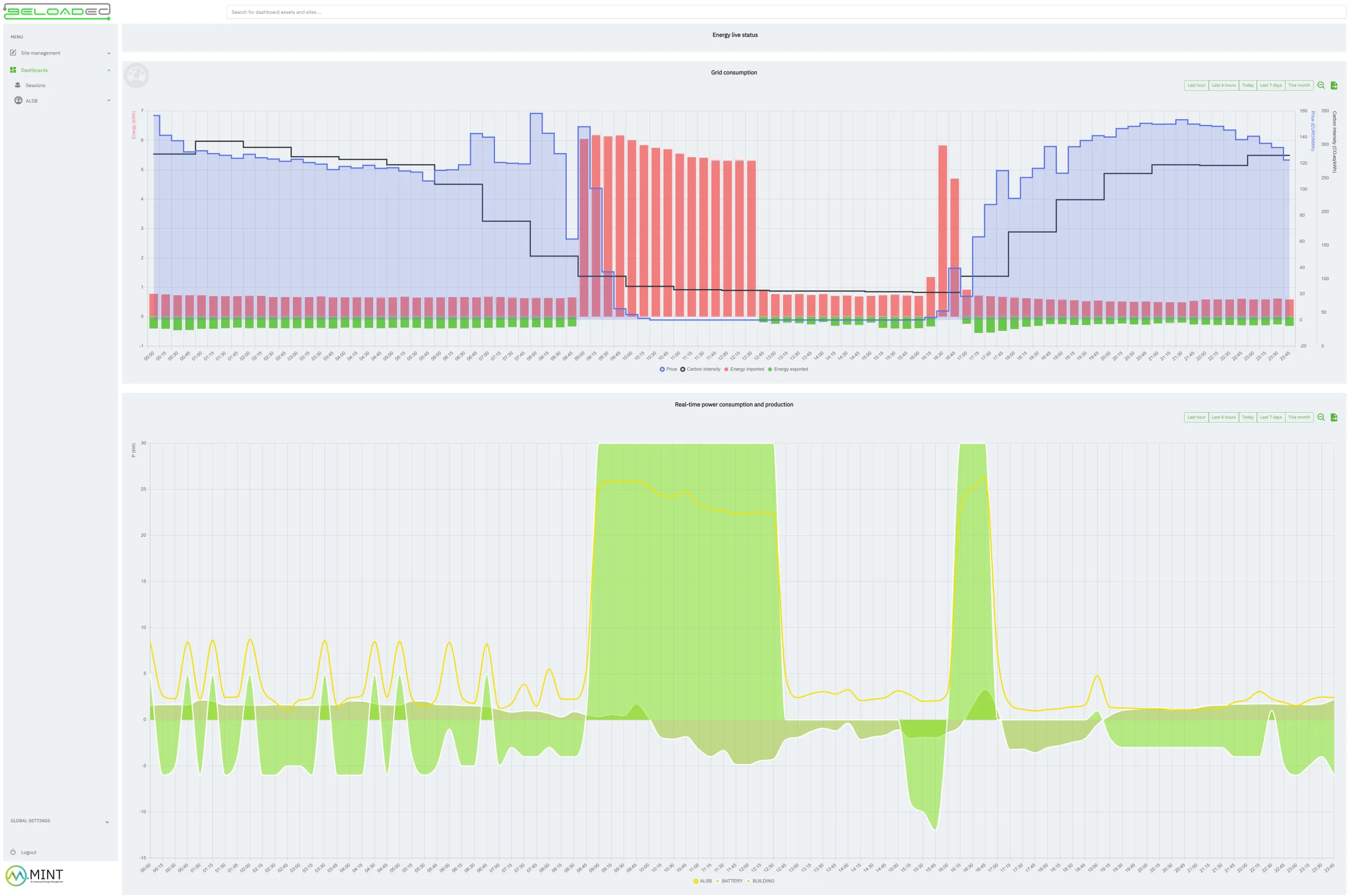
The BeLoaded EMS first stores the surplus in a battery or uses it for EV charging. If that is not possible, it turns the panels down so you stop injecting.
As soon as injecting pays again, your panels return to full power. The battery gives back its stored power when prices are high.
With photovoltaic (PV) curtailment, we deliberately scale back or stop your solar production below what your panels could produce, even when there is sunlight. Part of the solar energy that could be harvested is left unused, because sending it into the grid is not possible or not desirable at that moment.
Curtailment usually starts when:
This way, curtailment works as a control lever that protects grid stability and prevents overloading. For our customers, it is mainly a protection against losses: during negative or very low price periods, we "pause" generation when sending power back would cost money.
Electricity prices are set a day ahead on the day-ahead market. Since 1 October 2025, that market sets a price for every 15 minutes. When many solar panels and wind turbines produce at the same time and demand is low, supply is larger than demand and the price can drop below zero. Then producers pay to inject.
This happens more and more often. According to the federal energy regulator CREG, Belgium had more than 520 hours of negative prices in 2025, a record, mainly because of the fast growth of solar power. Most of those hours fall on sunny middays, especially at weekends, when businesses use less power.
Whether you pay for injecting depends on your contract. If your injection price follows the day-ahead price, as with many dynamic energy contracts, every kWh you inject during a negative hour costs you money. Read more in our guide negative electricity prices explained.
Our energy management system chooses the best option every moment, in this order.
Shift flexible use to sunny hours, for example by charging EVs at noon with load balancing. This raises your self-consumption.
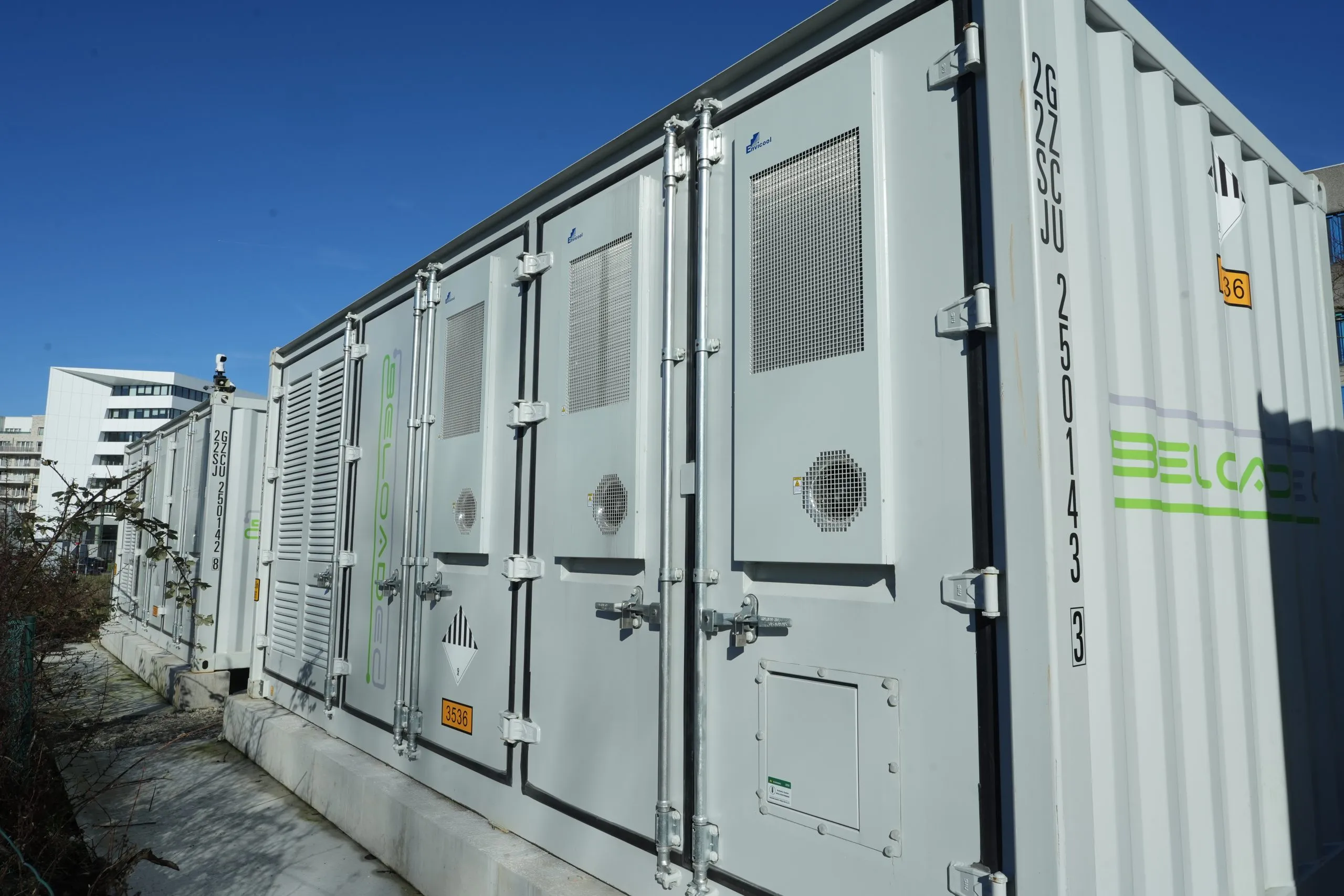
A company battery stores the surplus and gives it back in the evening or when prices are high, instead of injecting it at low or negative prices.
When there is nowhere to put the power and injecting would cost money, the EMS turns your inverters down until prices recover.
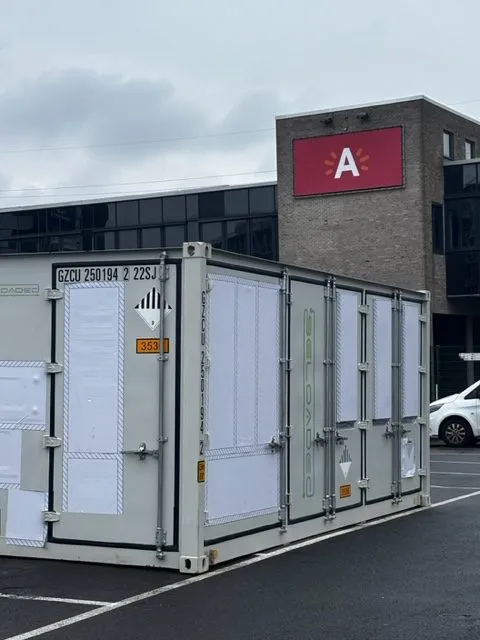
For example, in Zandhoven a 215 kWh battery stores the surplus of a 115 kWp solar installation.
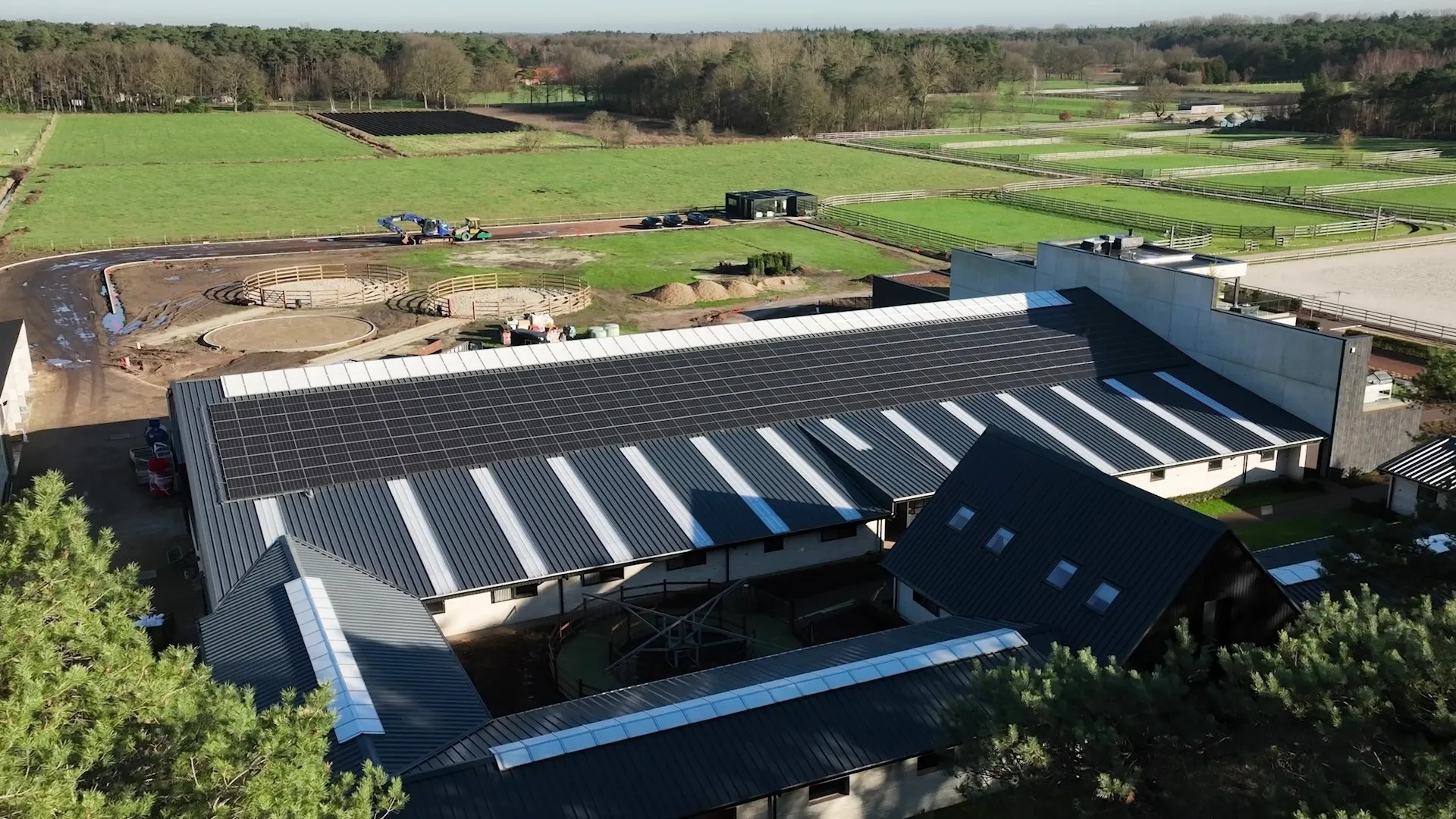 Zandhoven
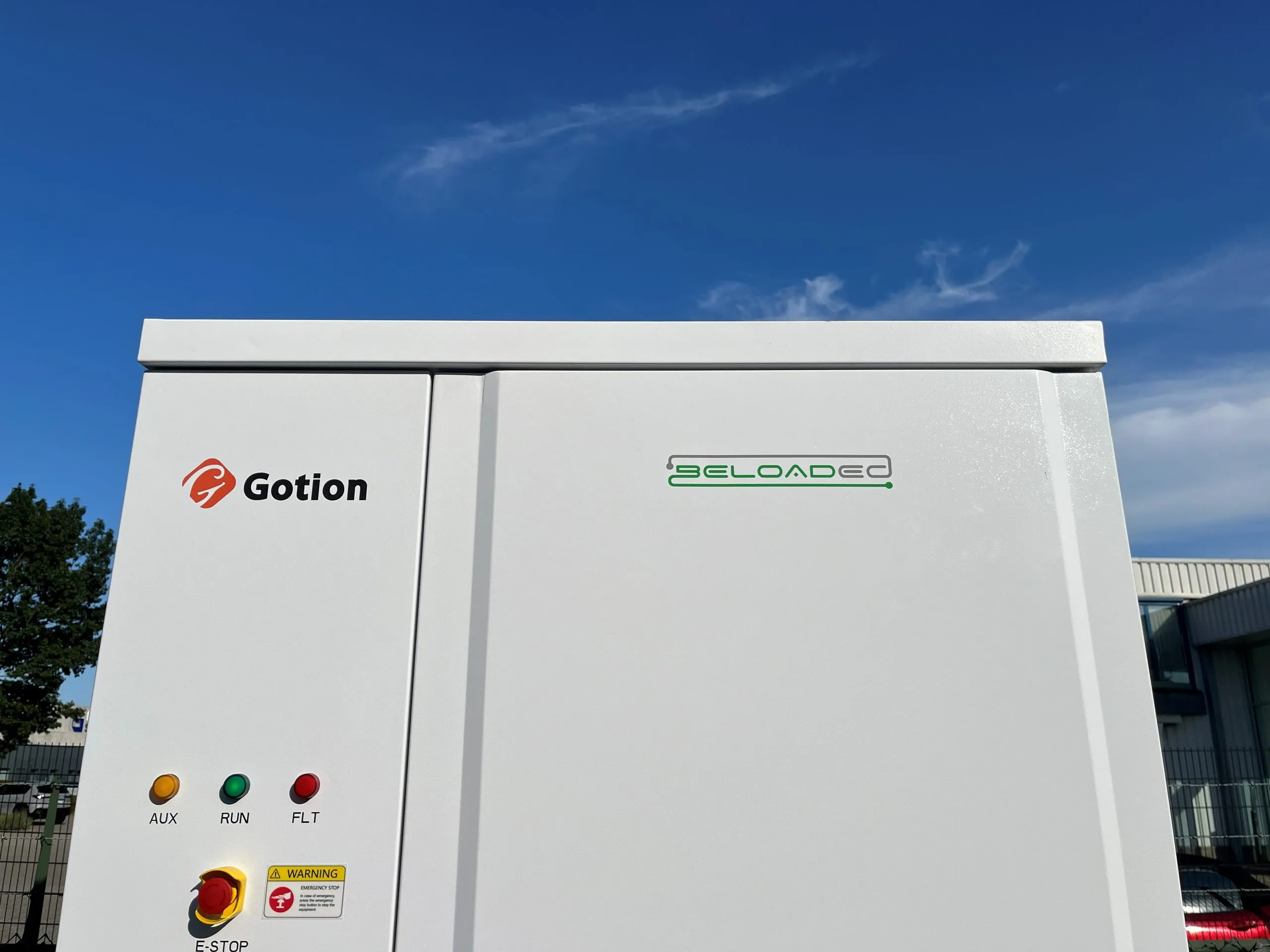 HerentalsBeveren
 Antwerp
PV curtailment means deliberately reducing or pausing the output of your solar panels, even when the sun is shining. It is used when sending power to the grid is not possible or not worth it, for example during negative electricity prices or when the grid is congested. BeLoaded's energy management system does this automatically, only at the moments it saves you money.
A negative price means that producers pay to inject electricity, and buyers get paid to use it. It happens when supply is higher than demand, mostly on sunny, windy days with low consumption. According to the regulator CREG, Belgium had more than 520 hours of negative day-ahead prices in 2025, a record driven by the growth of solar power.
That depends on your contract. If the price you get for injection follows the day-ahead market, as with many dynamic contracts, you pay for every kWh you inject during a negative hour. With a fixed injection price, the effect is different. We check your contract and your production profile before advising curtailment.
Curtailment is the last option, not the first. The BeLoaded EMS first tries to use the surplus on site, for example for EV charging, or to store it in a battery. Only when that is not possible and injecting would cost money does it turn the panels down, and only for as long as prices stay negative or very low.
Partly. A battery stores the surplus at noon and gives it back in the evening, so you lose less solar power. But a battery fills up. On long sunny days with low prices, curtailment remains a useful safety net. The best result comes from combining both, steered by one energy management system.
Yes. When too much solar power flows into the grid at the same time, the grid can get congested or out of balance. By lowering injection at those moments, curtailment helps protect grid stability, prevents overloading and keeps your own installation from adding to the problem.
Negative electricity prices are quarter-hours on the Belgian day-ahead market when there is so much power, mostly from solar, that producers pay to inject. Belgium counted more than 520 negative hours in 2025, according to the regulator CREG. Companies can limit the cost by curtailing solar injection, and turn it into value by shifting consumption or storing energy in a battery.
With a dynamic energy contract, your company pays a price that follows the Belgian day-ahead market, which sets a new price for every quarter-hour since 1 October 2025. It pays off when you can move consumption to cheap hours, and it can cost more if you mostly use power in the expensive evening. A battery and an energy management system make that shifting automatic.
A business battery in Belgium is worth it when it can earn from several sources at once: lowering your capacity tariff, storing your own solar power, buying cheap power for expensive hours and offering flexibility to the grid. With only one of these, the business case is often weak. Measure your profile first, simulate second, invest third.
Tell us about your solar installation and your energy contract. We show you how much you inject at negative prices and what curtailment or a battery can change.